Unless you have unlimited time and energy, don’t try to address every detail. Decide what is most important to you.
Getting started:
- Think about how you can incorporate basic ‘reduce, reuse and recycle’ principles into your event…for example, decline disposable options such as throw away flower vases and excess packaging like wrapping gift favours.
- It’s possible you won’t find florists or caterers who know much about greenhouse gas emissions, but view this as an opportunity to educate them. There’s no reason why you can’t be their first green client!
- Choose as many vendors as you can that are close in proximity, e.g., in your neighbourhood or near your place of work. This will be convenient for multiple trips during the planning phase and make logistics on the day of the event much more simple.
Some of the major greenhouse gas emission sources from an event like a wedding include travel, local transportation, waste and the transport and production of food, beverages, decorations and gifts. The suggestions below offer ways to reduce the emissions from these sources and to provide your event with many other environmental benefits.
Step 1: Picking the venue
- Consider how far you will have to travel, as you may need to visit the location a few times before the event.
- Consider how far your guests will have to travel to the site – are there hotels nearby, is it accessible by public transit, etc.
- Have the ceremony and reception at the same place to cut down on traveling.
- Does the venue offer non-disposable cutlery and linens?
Step 2: Your Menu 
- Does the venue serve seasonal, local food, or can you have a caterer provide fresh local products?
- Consider organic food, which doesn’t rely on chemical fertilizers, which are a significant source of greenhouse gas emissions.
- Serve local wines and beer.
- Ask about shade grown, fair trade, organic coffee and teas.
- Ask about free-range chicken and sustainable seafood (check out the SeaChoice website, which lists sustainable seafood options).
- I had a bridal shower with all vegetarian food, no paper plates and no paper napkins. I also gave away ethical coffee as prizes for games.
Step 3: Invitations, Programs and Menus
- Try to avoid using paper – email invites instead. For those few guests without email, use paper invites out of materials you already have.
- Alternatively, for invites or for programs, you can look for 100 per cent post consumer recycled paper, and ask around for vendors who use vegetable-based inks.
- Print the measures you took to make this a “low-carbon, sustainable wedding” on the back of the programs. It’s an excellent opportunity to educate your guests.
Step 4: Rings and Bands
- It’s becoming more common to forgo the engagement ring and have only a wedding band. The money saved on the diamond can be put towards other expenses, like the honeymoon.
- For environmentally friendly rings check out www.greenkarat.com; they can even add on carbon offsets to the production of your rings.
Step 5: The Dress
- You could do organic cotton or hemp fabric, or buy a ‘recycled’ wedding dress.
- Also consider a store that’s close to work or home, particularly if you’ll be making multiple trips for fittings.
- If you order your dress and it arrives from a distant location, you could consider purchasing offsets for the trip your dress had to make.
Step 6: Guest Travel
- Ask guests that fly to consider buying their own offsets for their flights. The David Suzuki Foundation website lists many vendors of offsets (see the Resources section on our Go Carbon Neutral webpage for several vendors). For guests that do not purchase offsets, you can calculate and buy the offsets for them, as discussed above.
- Guests can be encouraged to rent hybrid cars, or you can purchase bus tickets and hand them out with a city map.
- Find a “green hotel” in your city where guests can stay close to the venue (do some web searching or call and ask questions about the environmentally friendly measures practiced by local hotels). Or consider Bed and Breakfasts as a nice alternative if the area does not have hotels.
Step 7: Photographer
- Again, pick someone who operates close to you, and close to the venue. This will cut down on their travel time.
- Instead of a stack of photos, consider getting a CD of photos and then printing out (or emailing) only the best ones.
Step 8: Flowers 
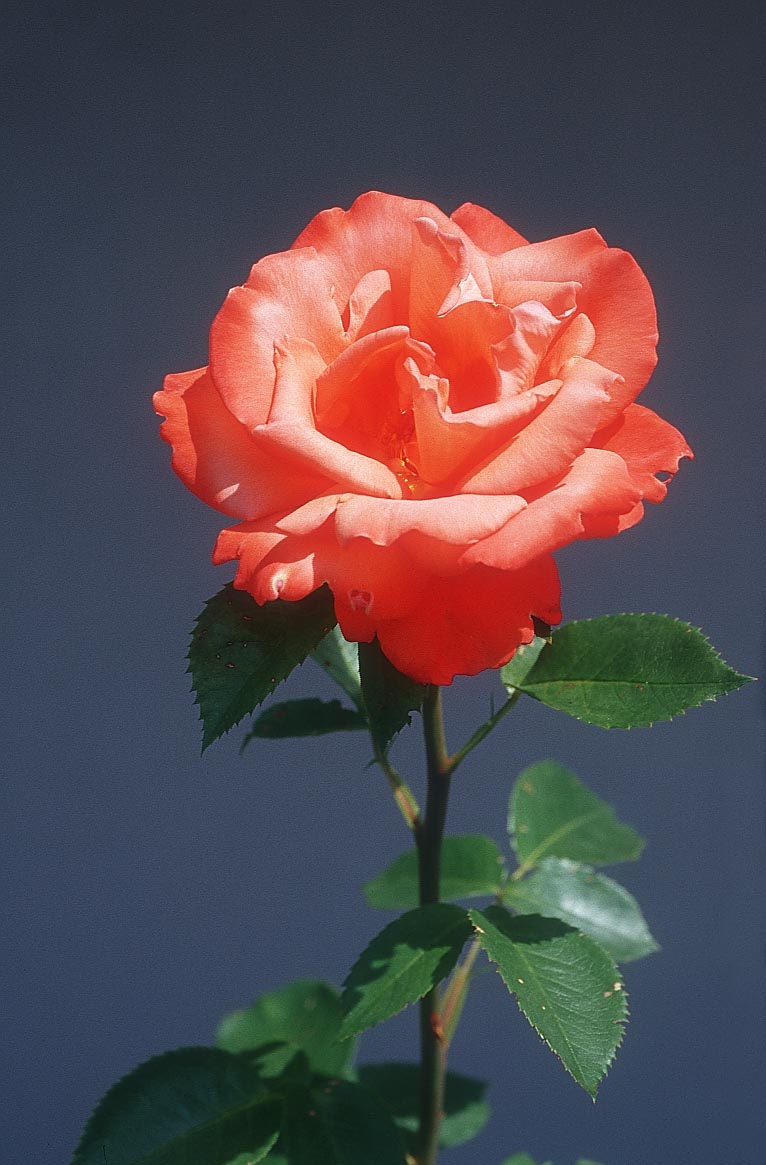
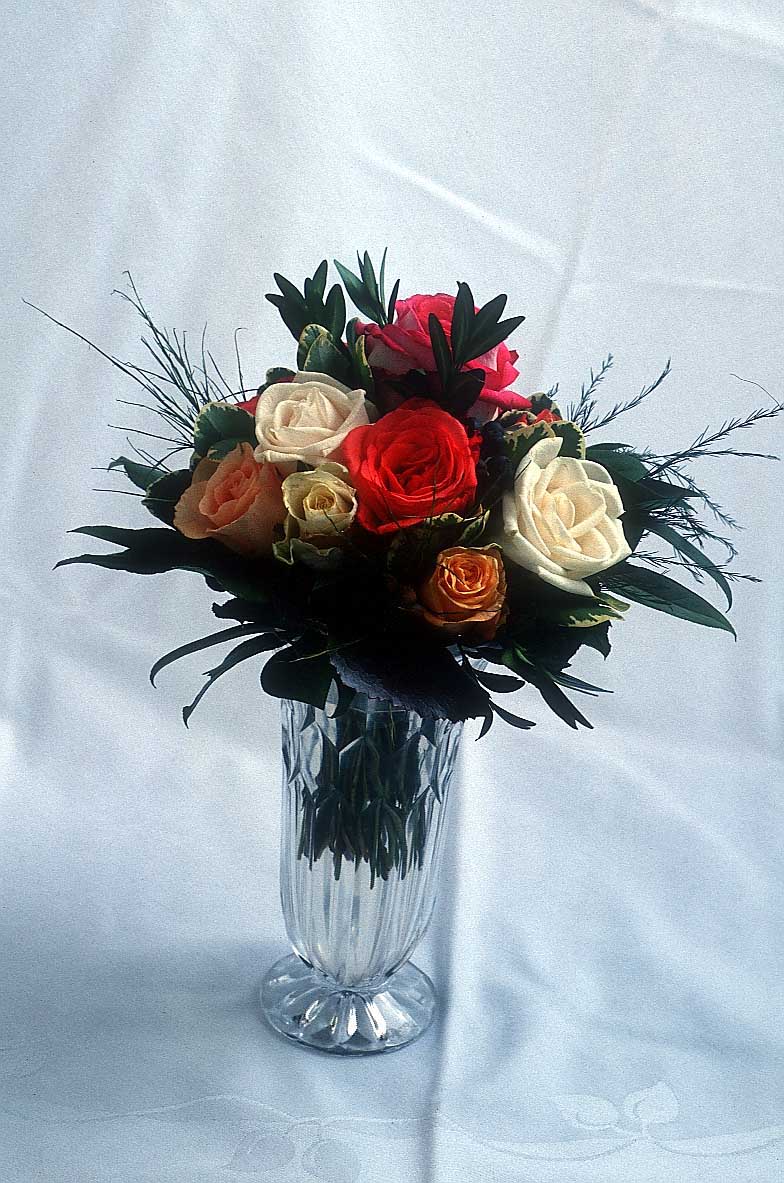
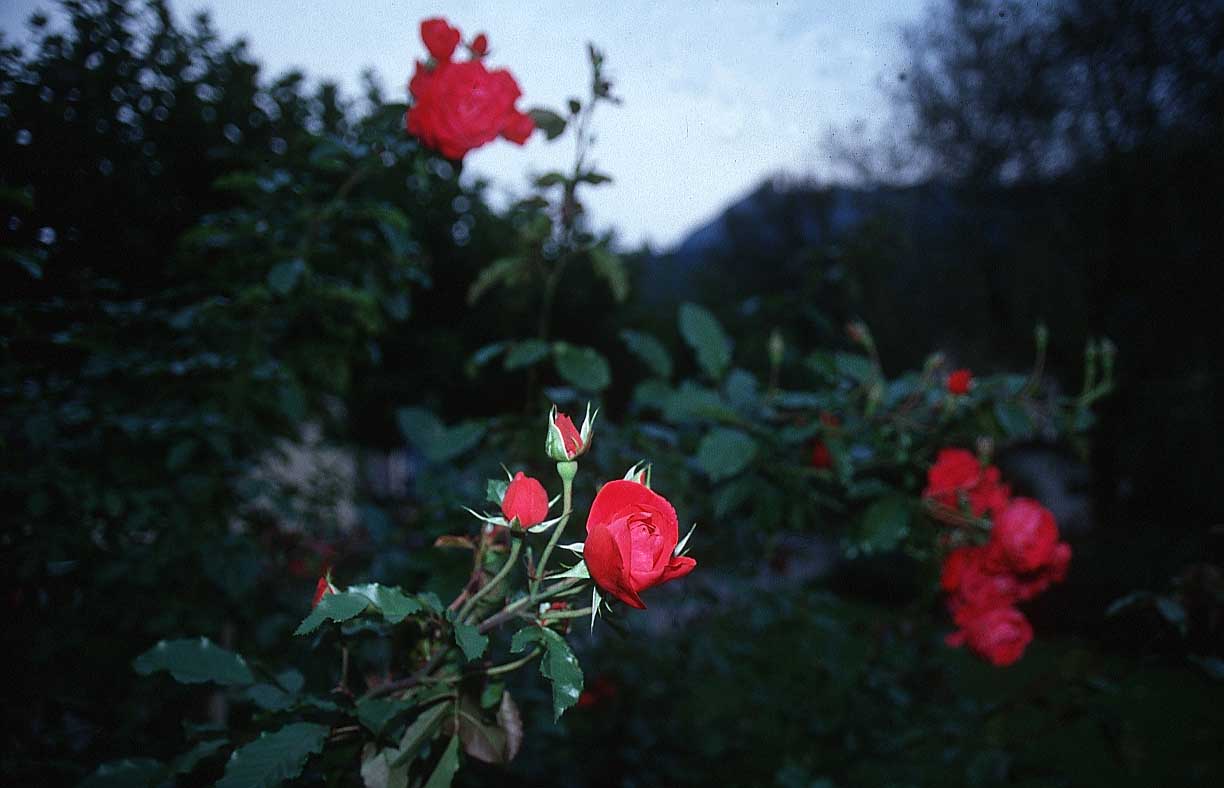
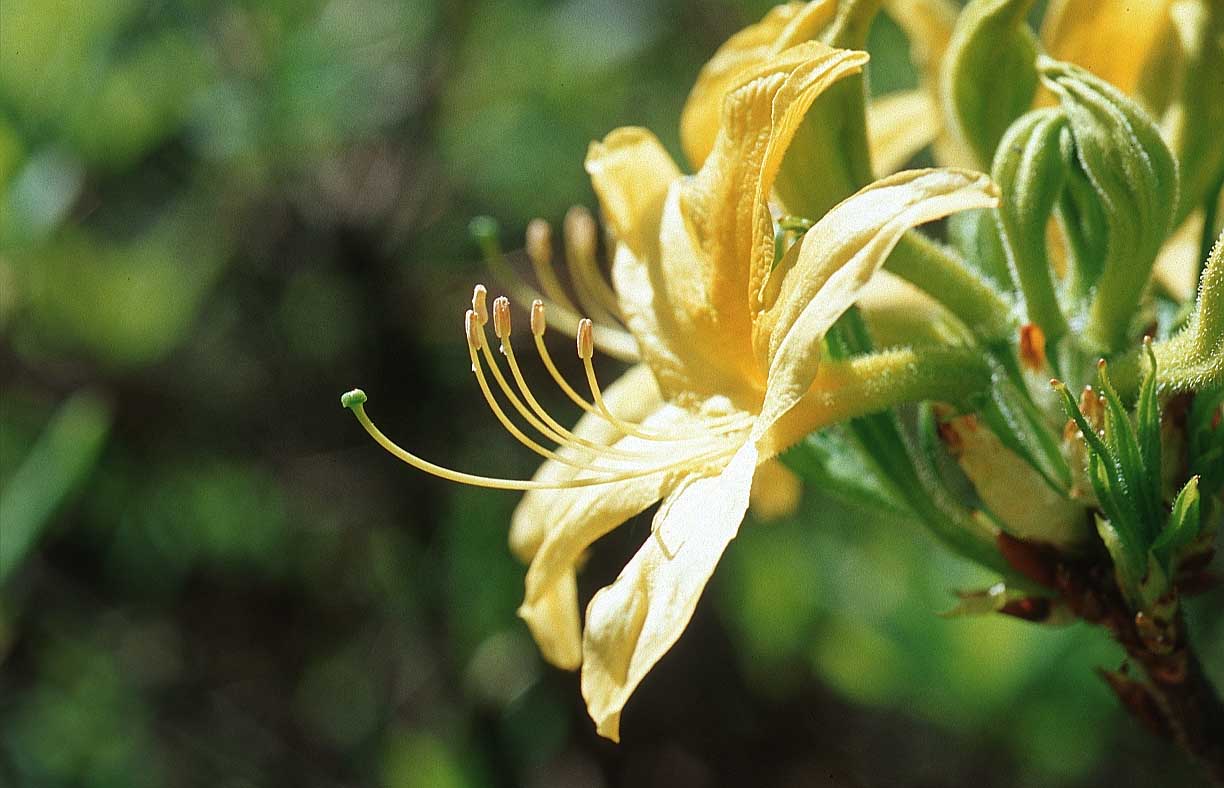
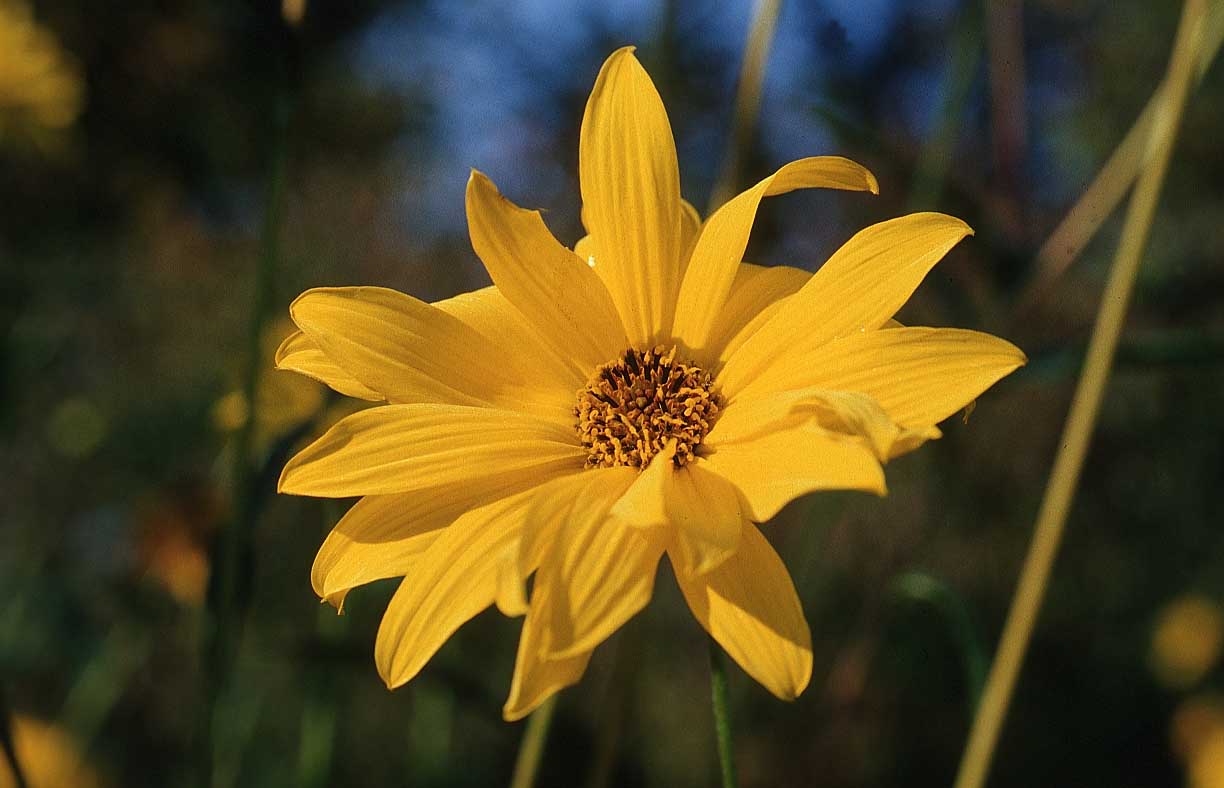
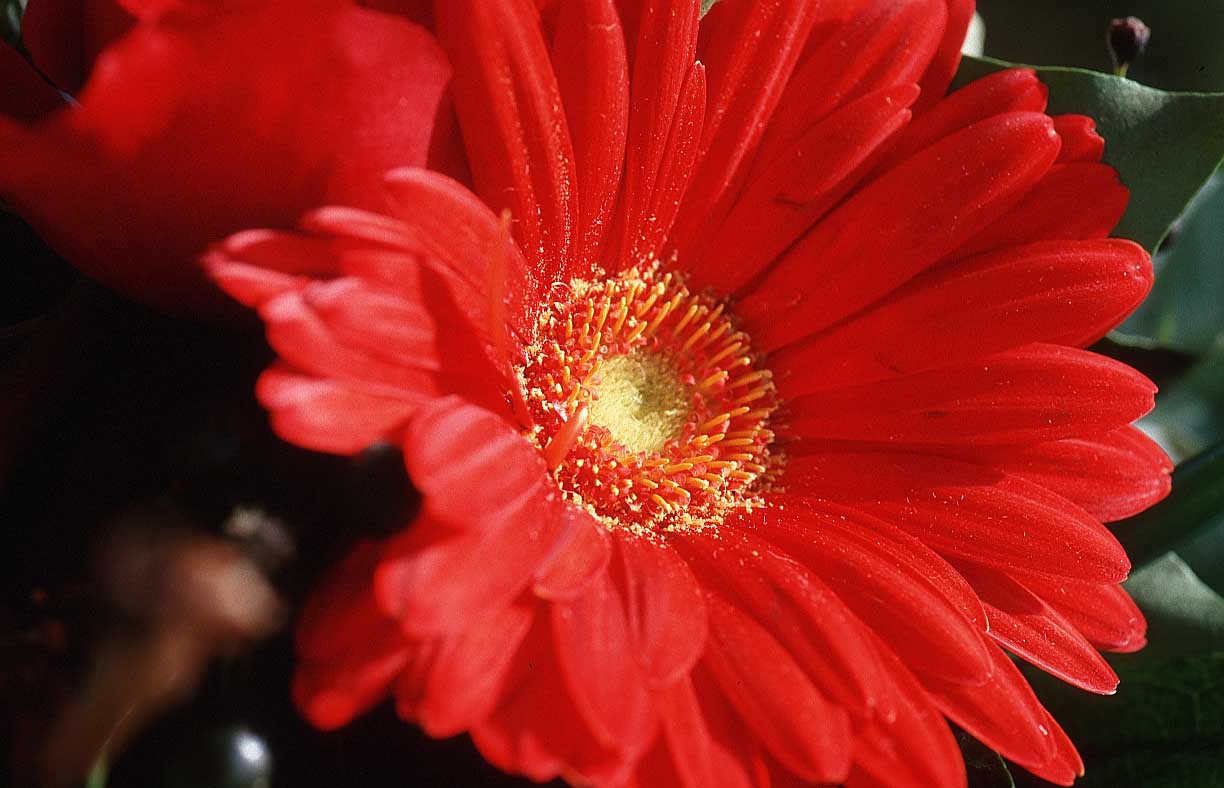
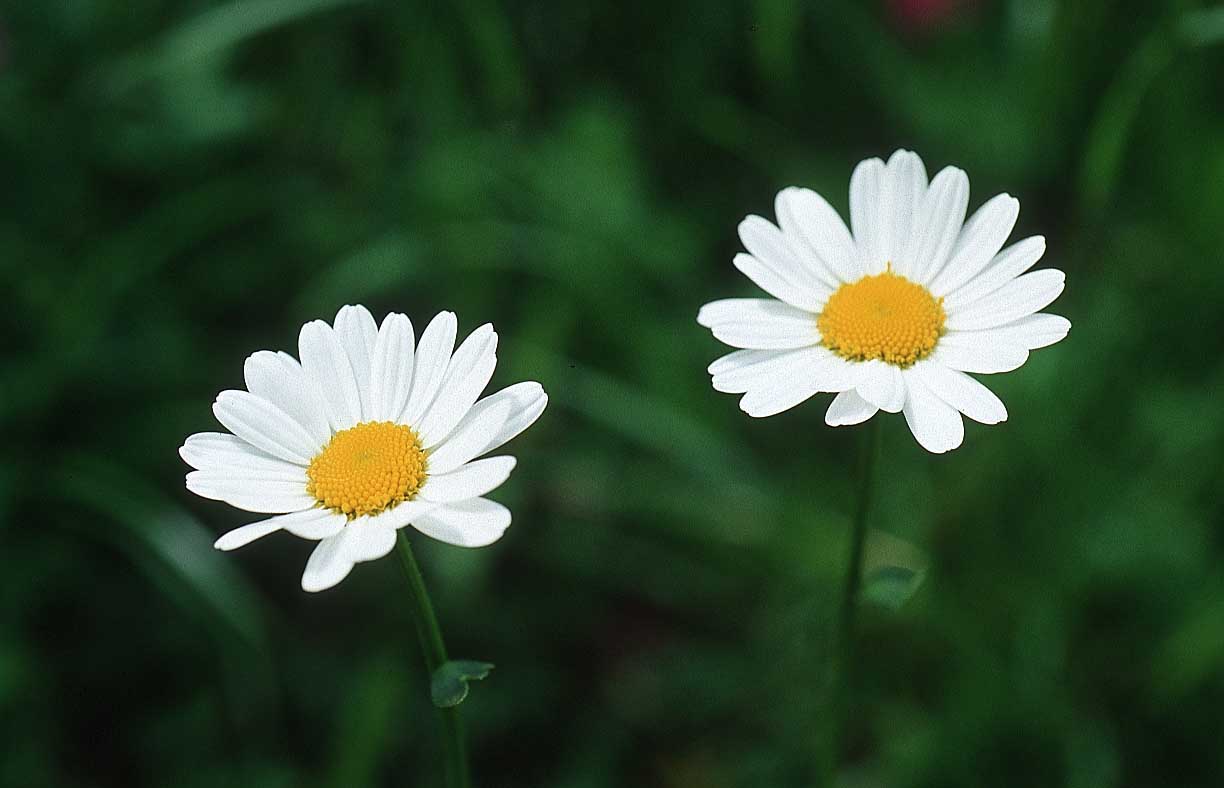
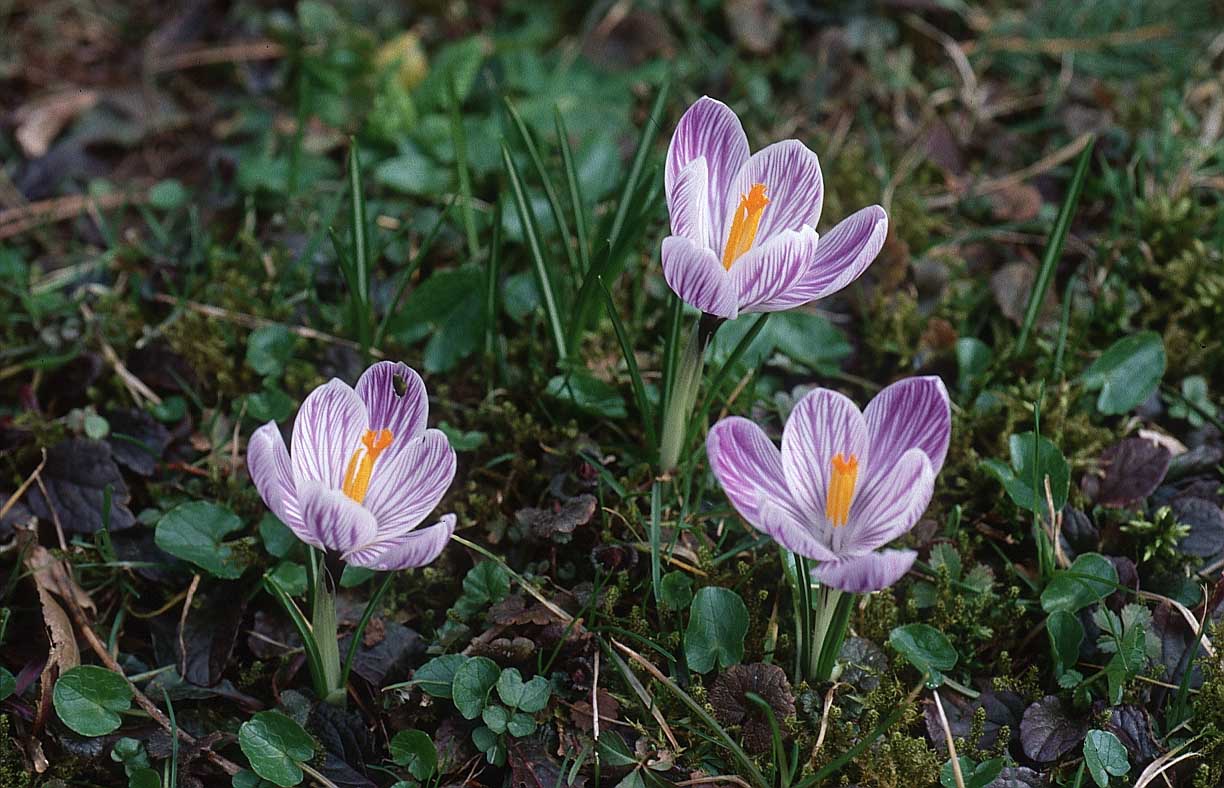
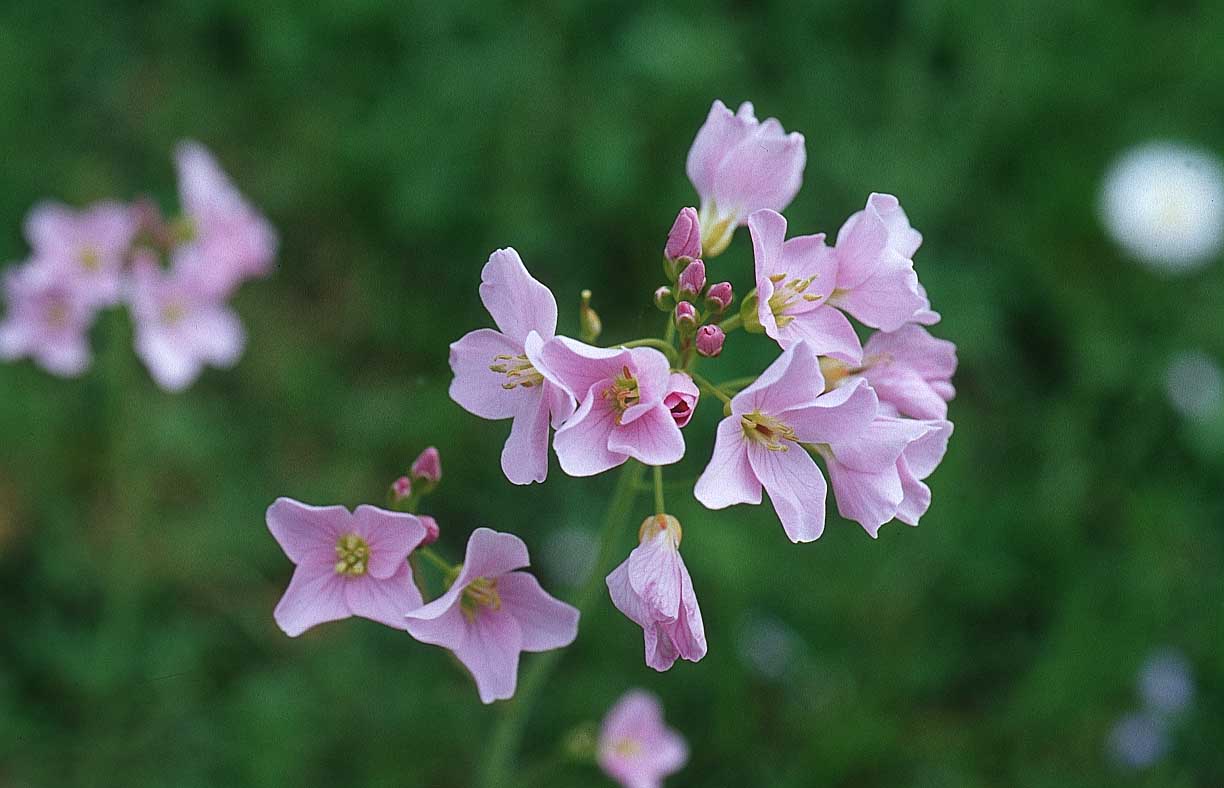
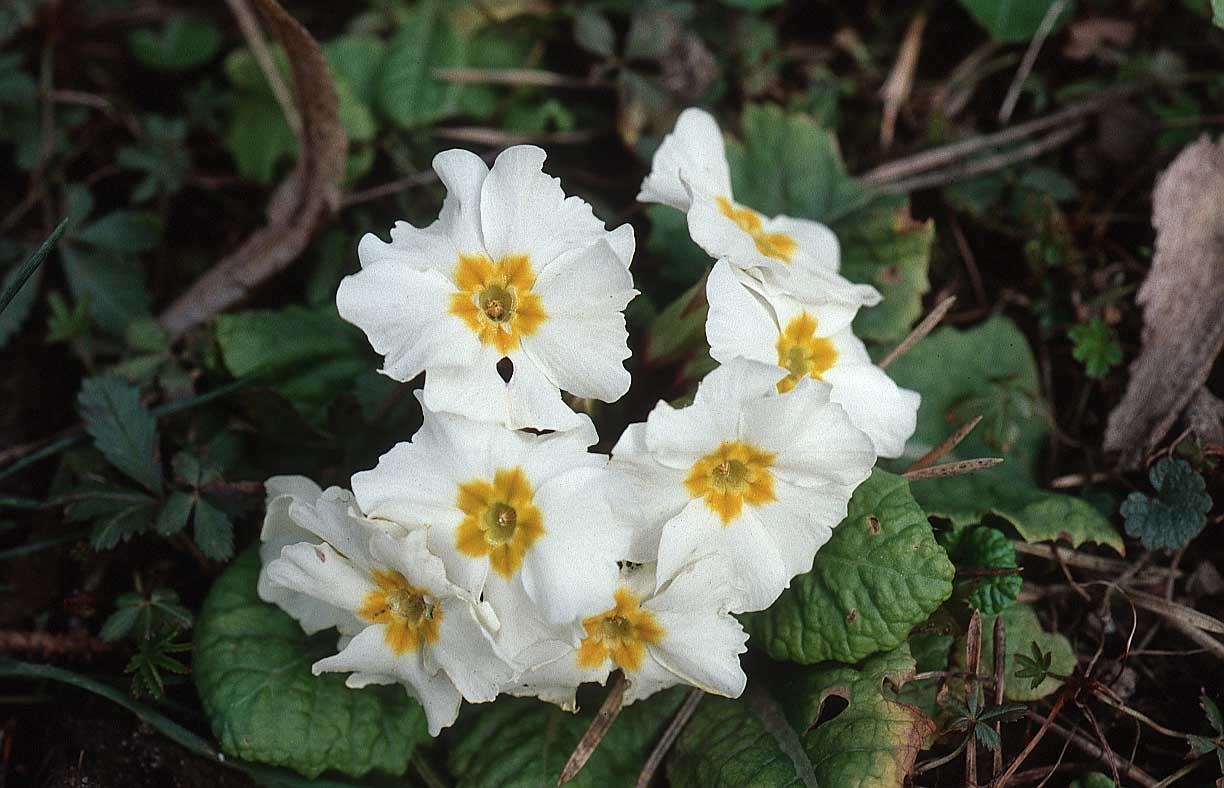
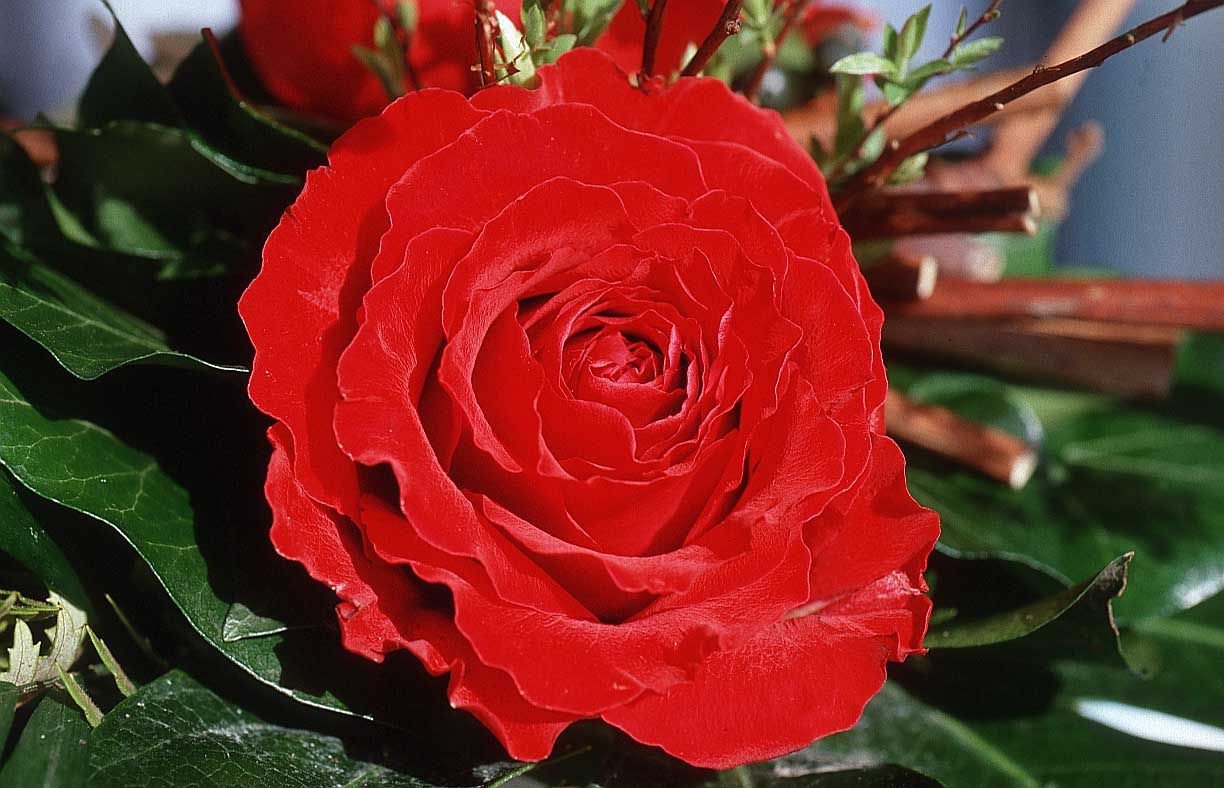
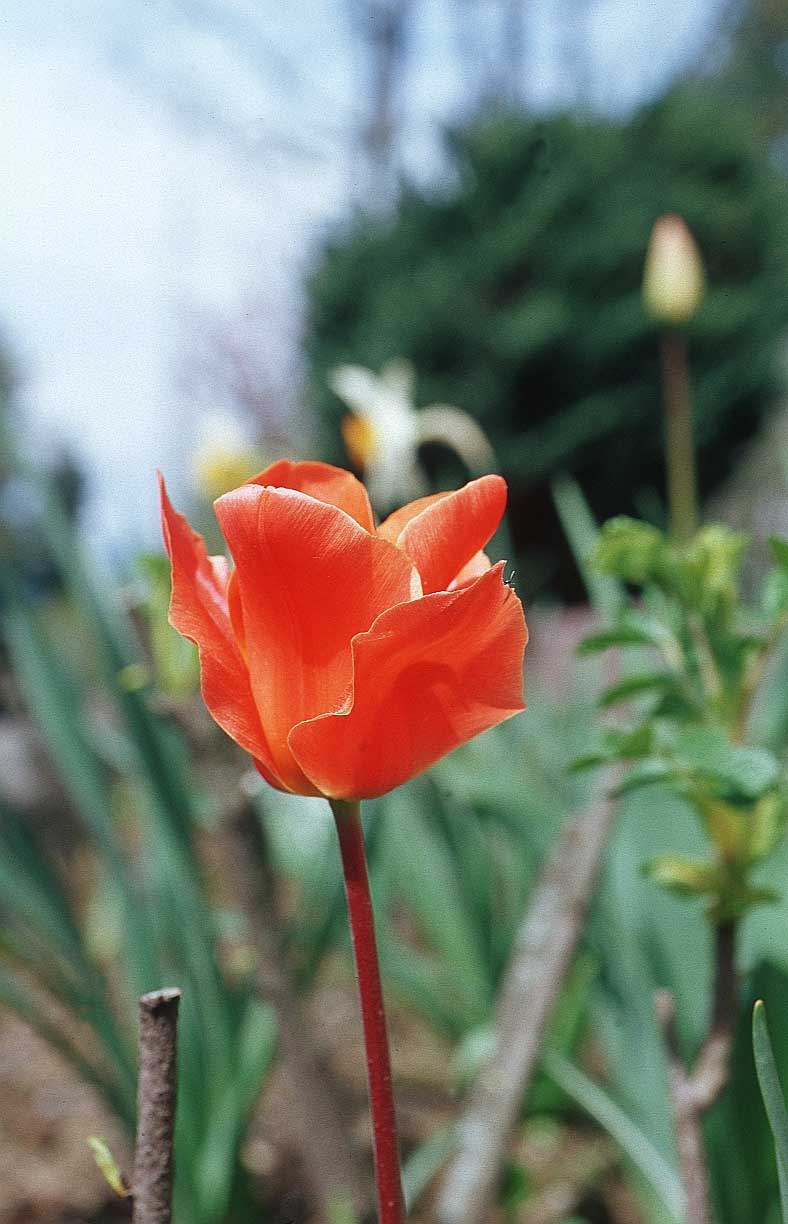
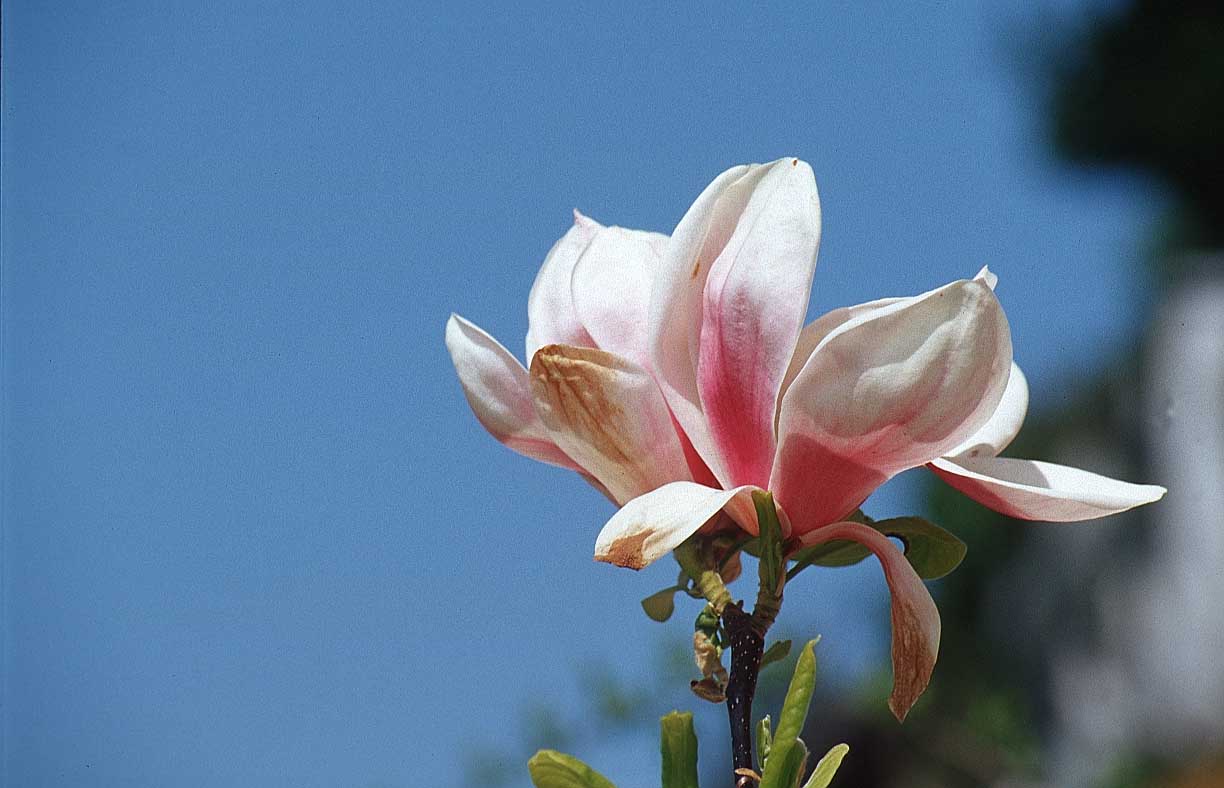
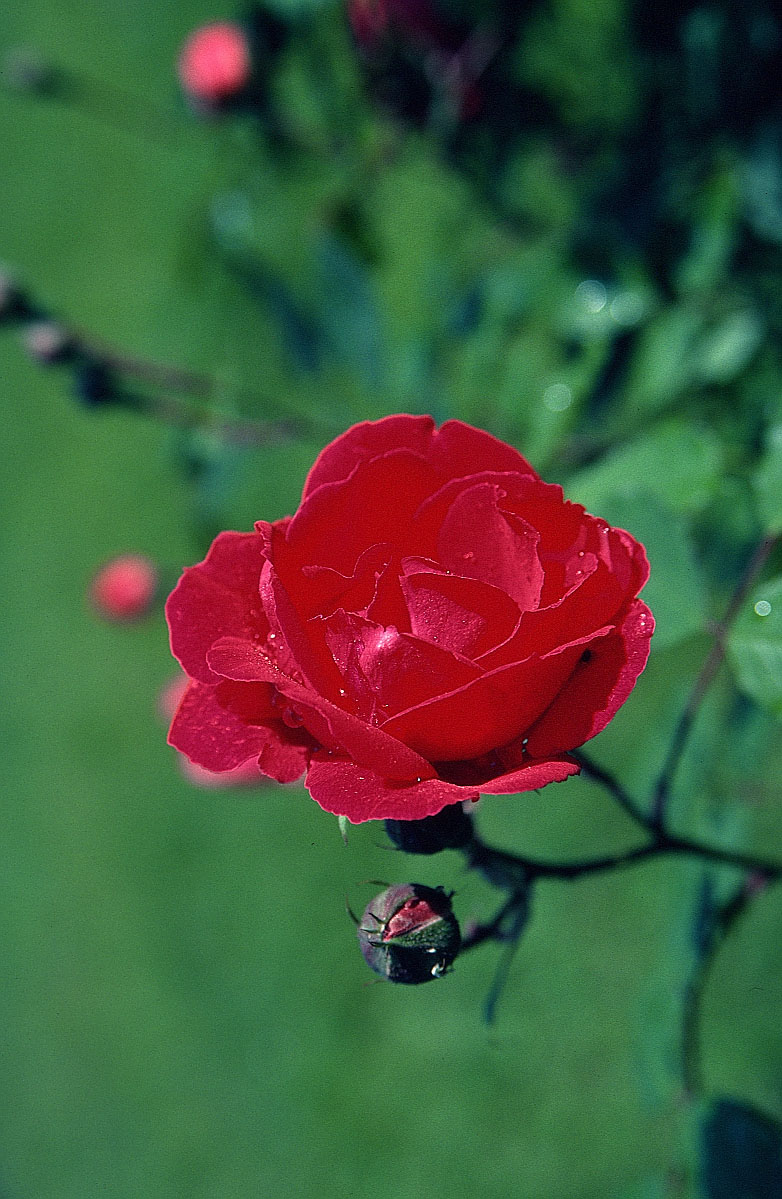
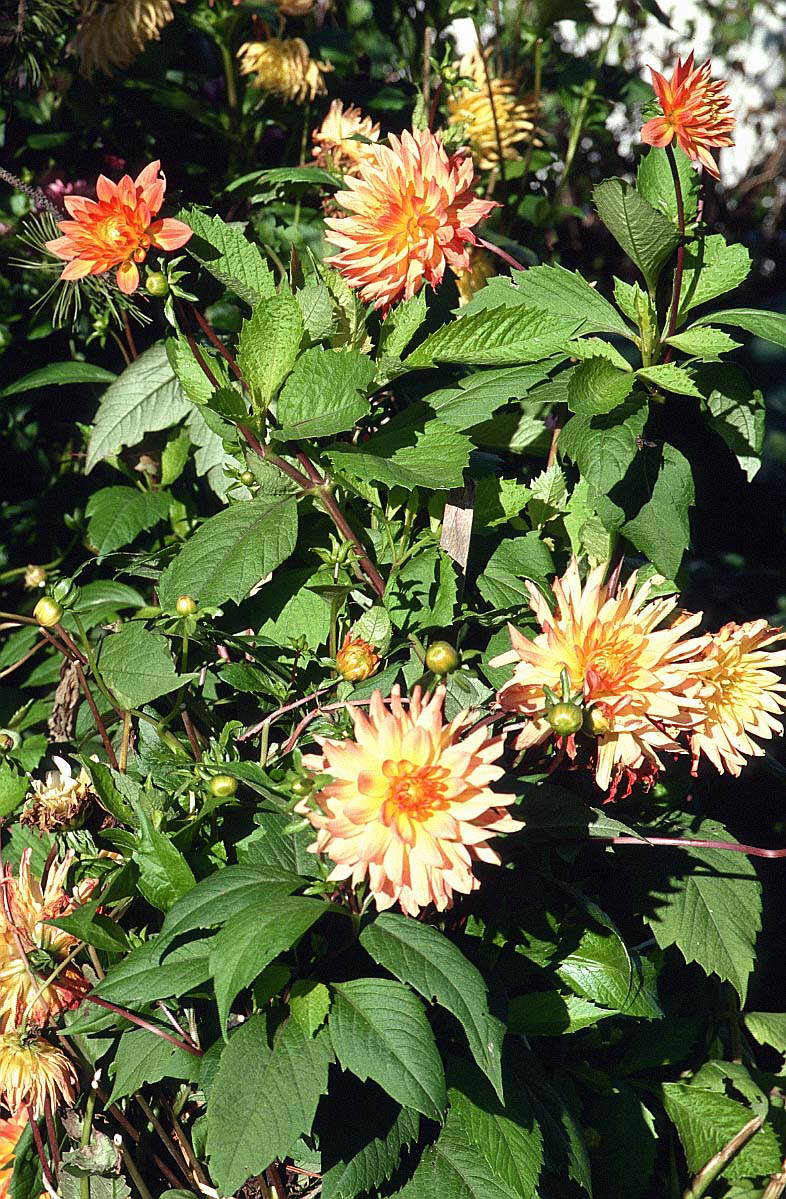
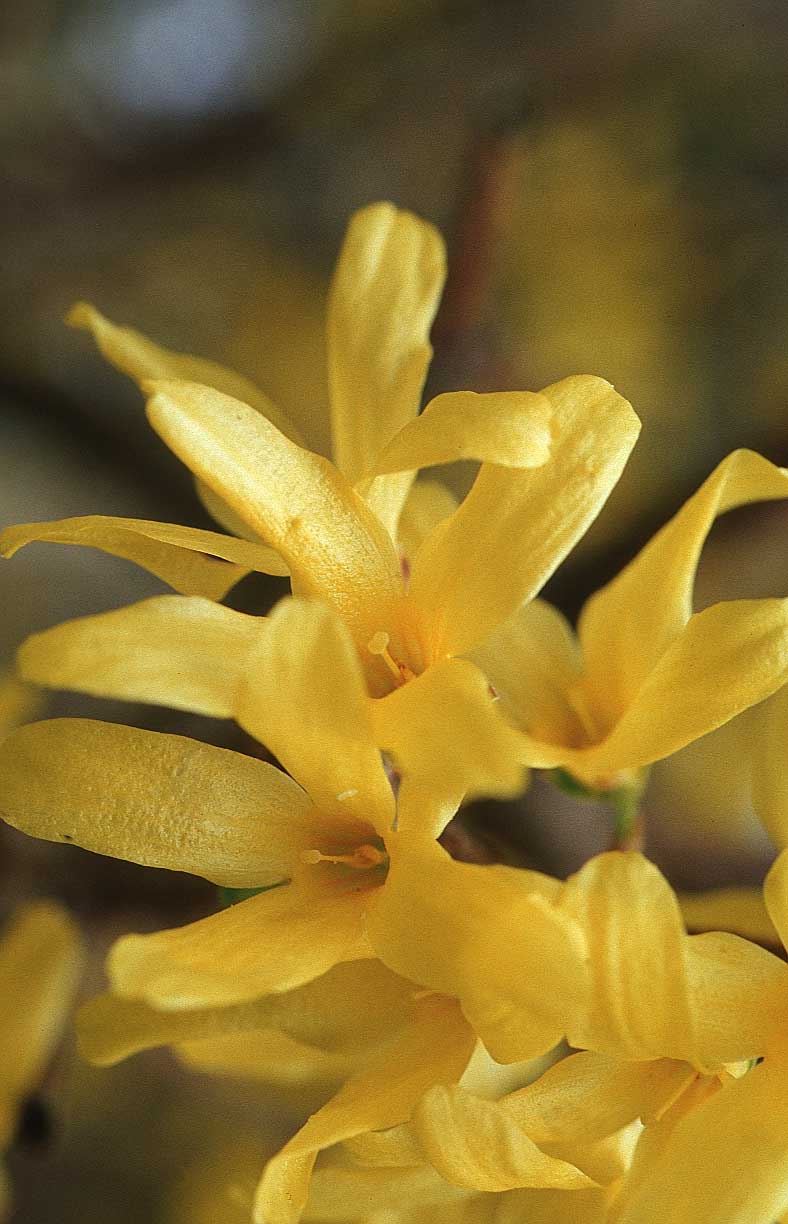
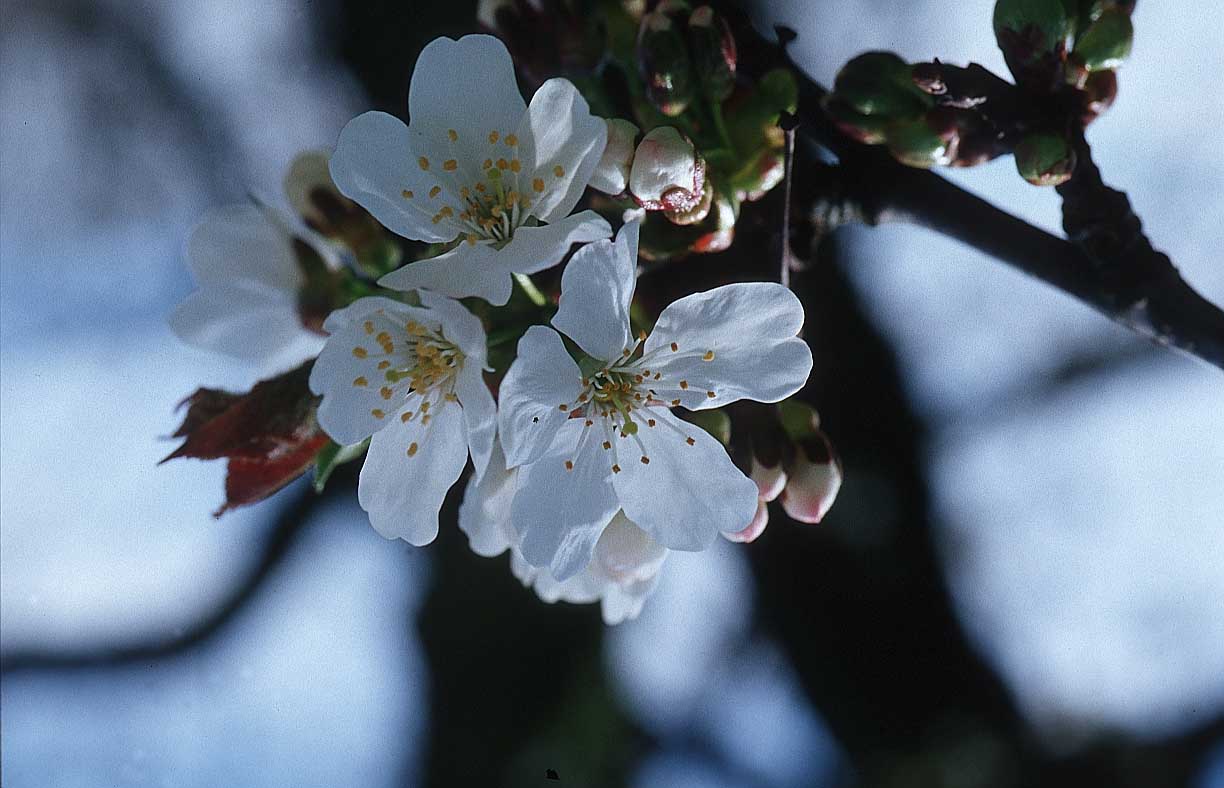
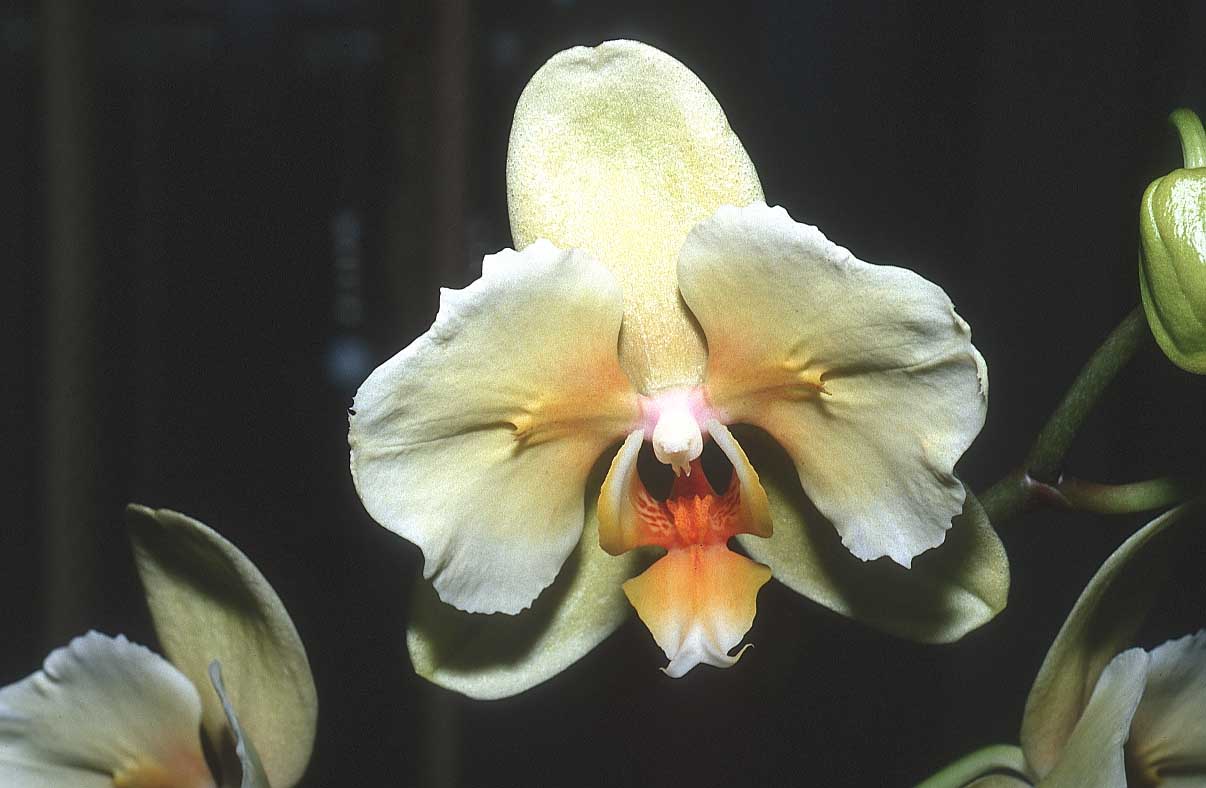
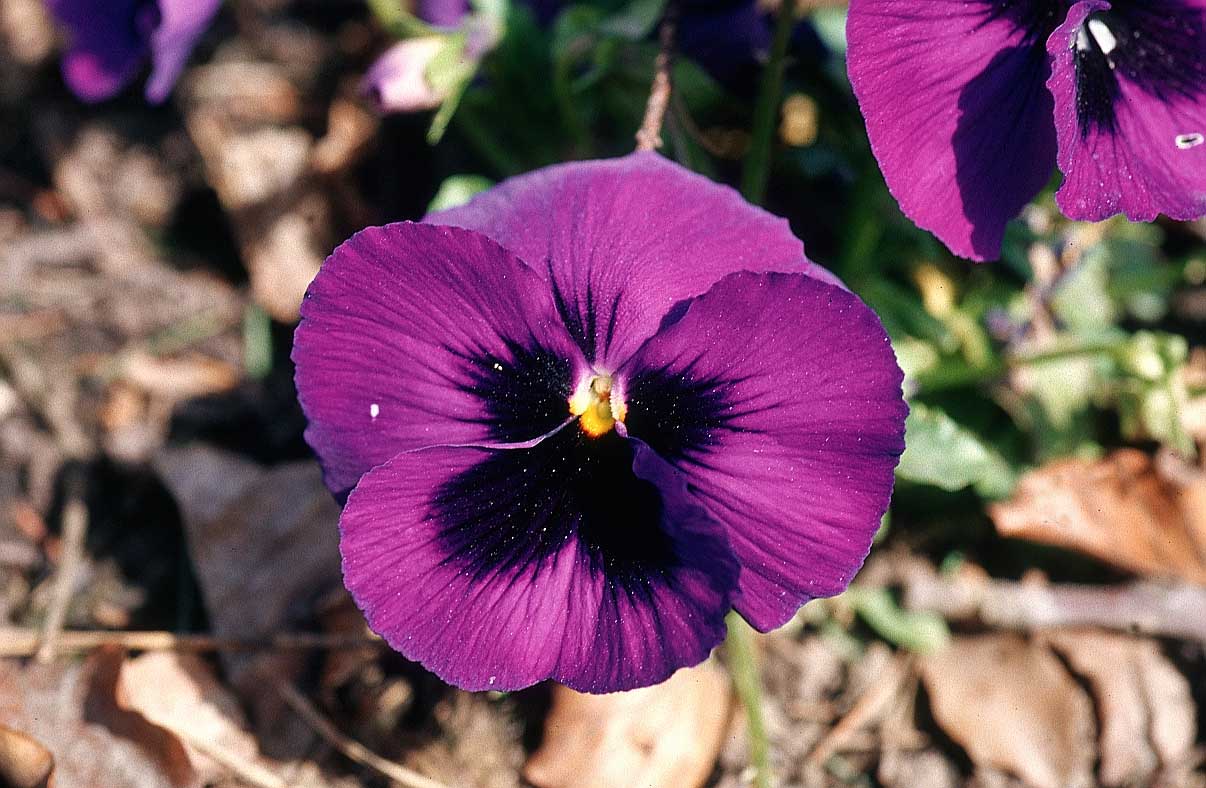
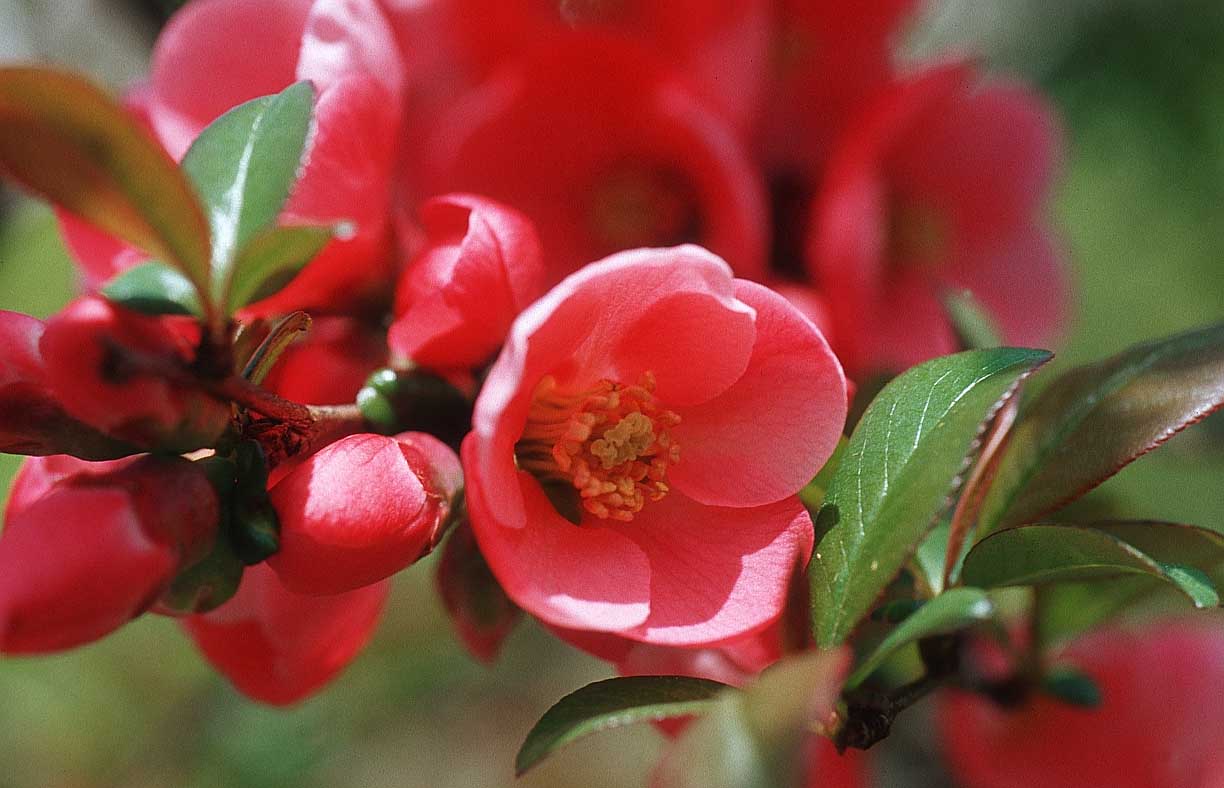
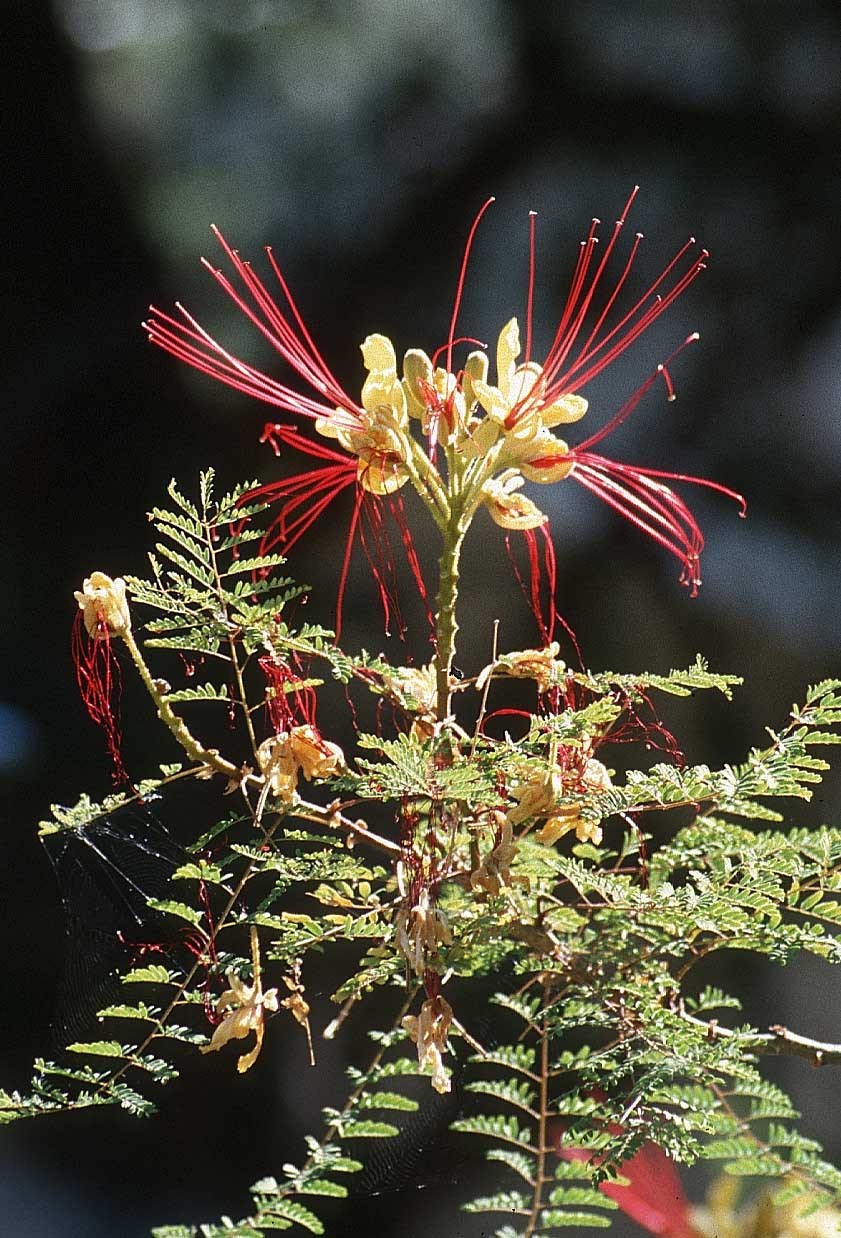
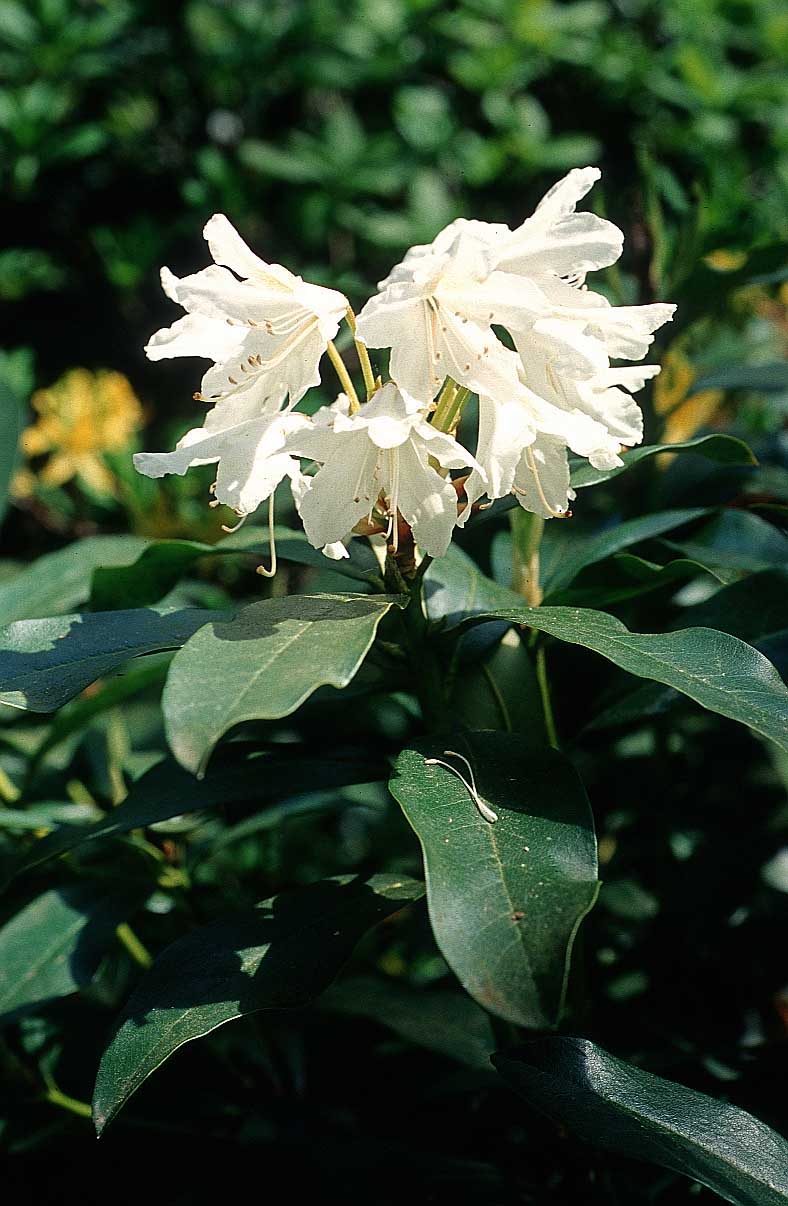
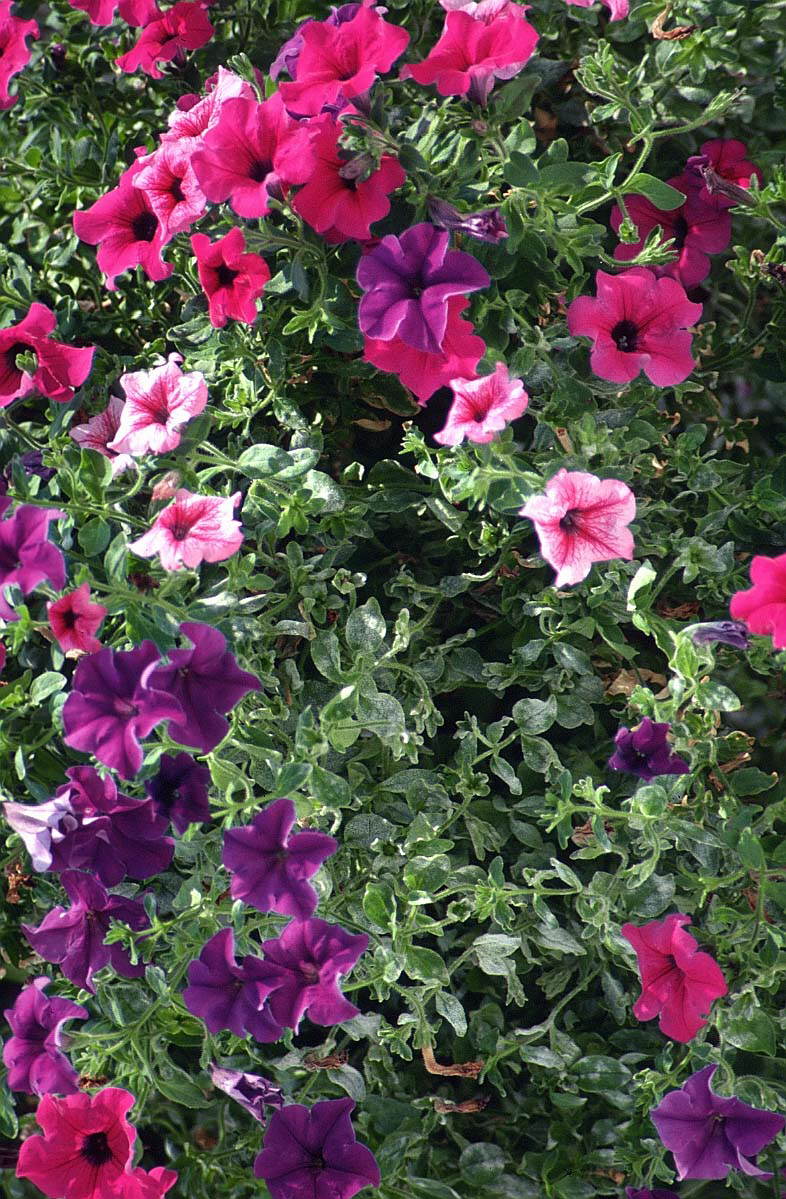
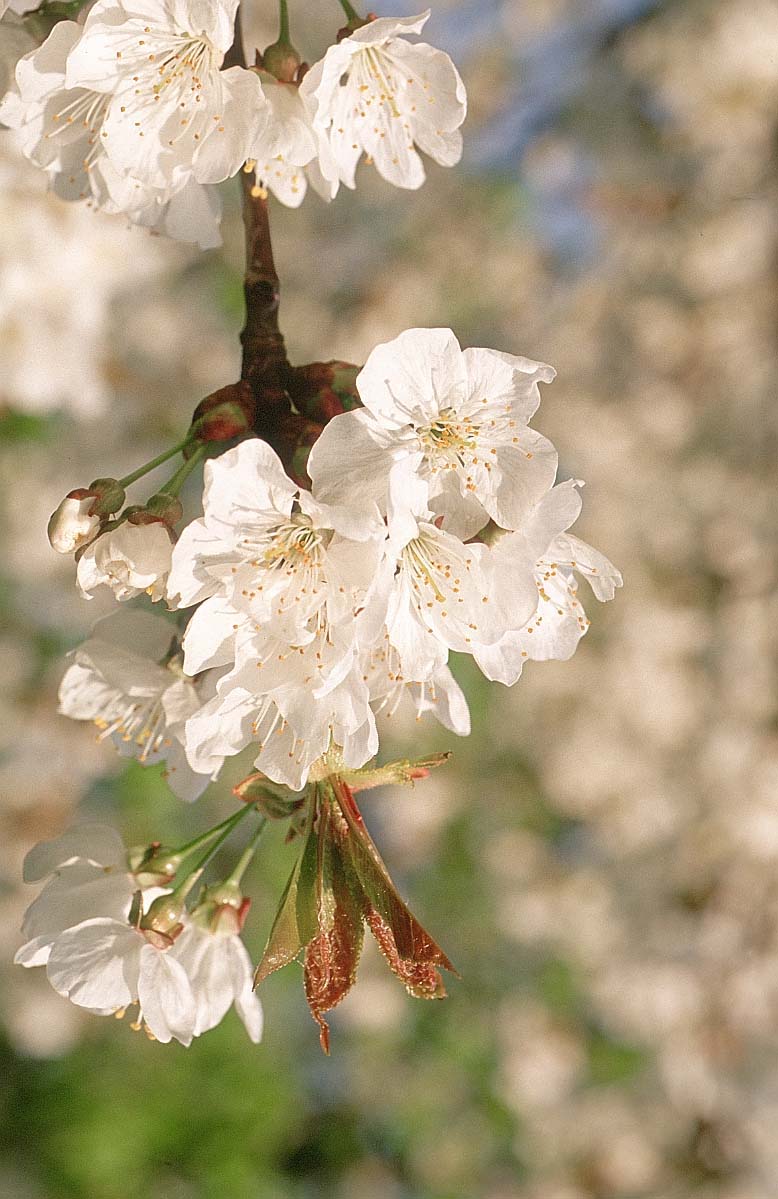
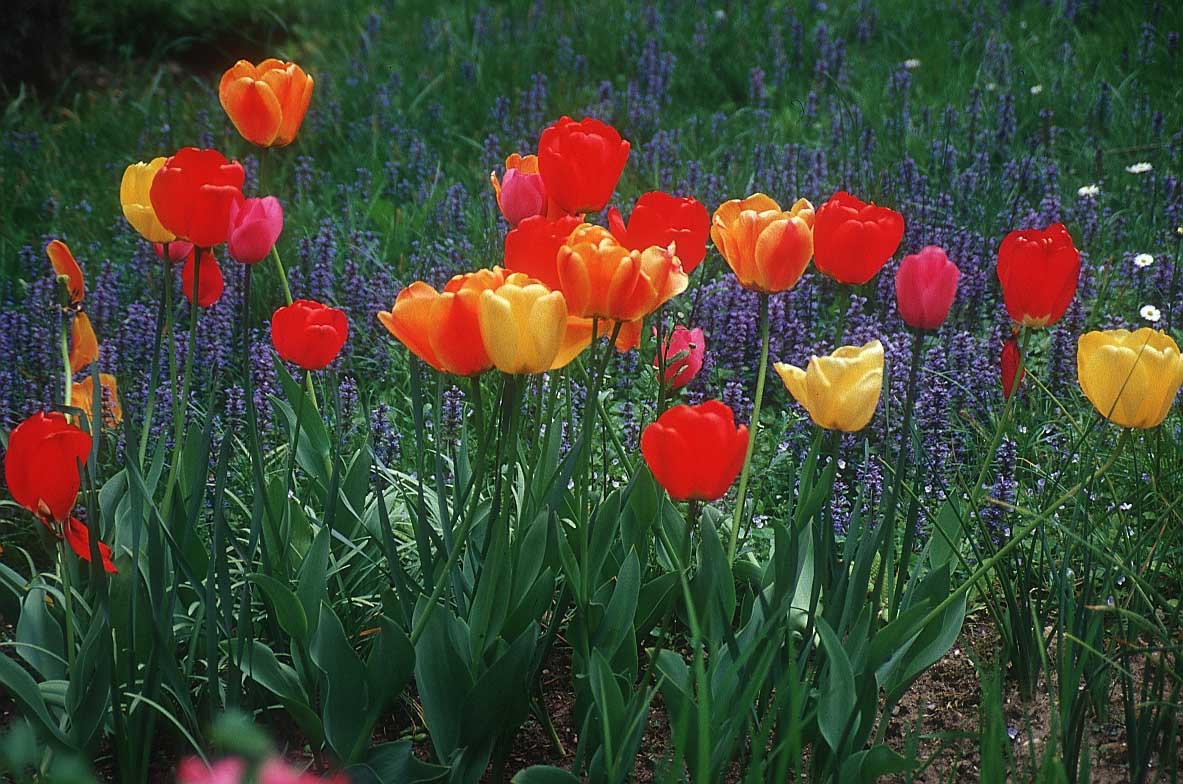
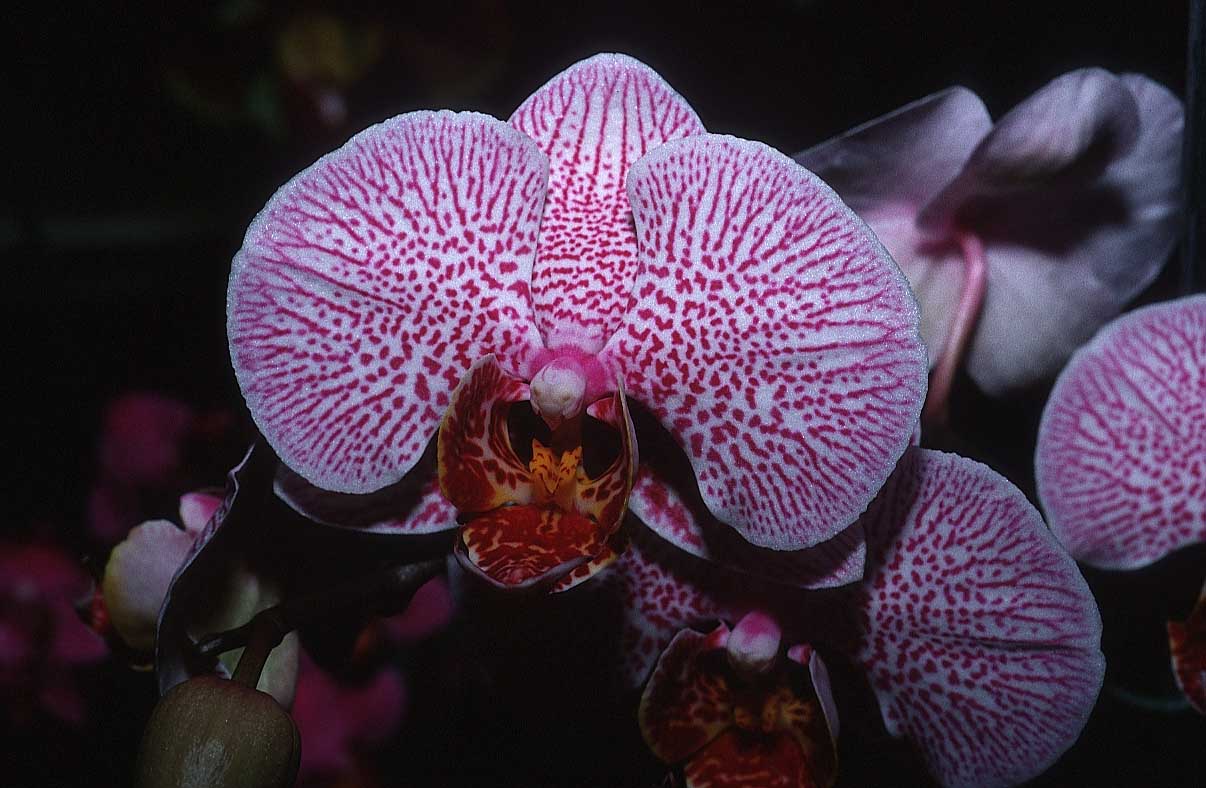
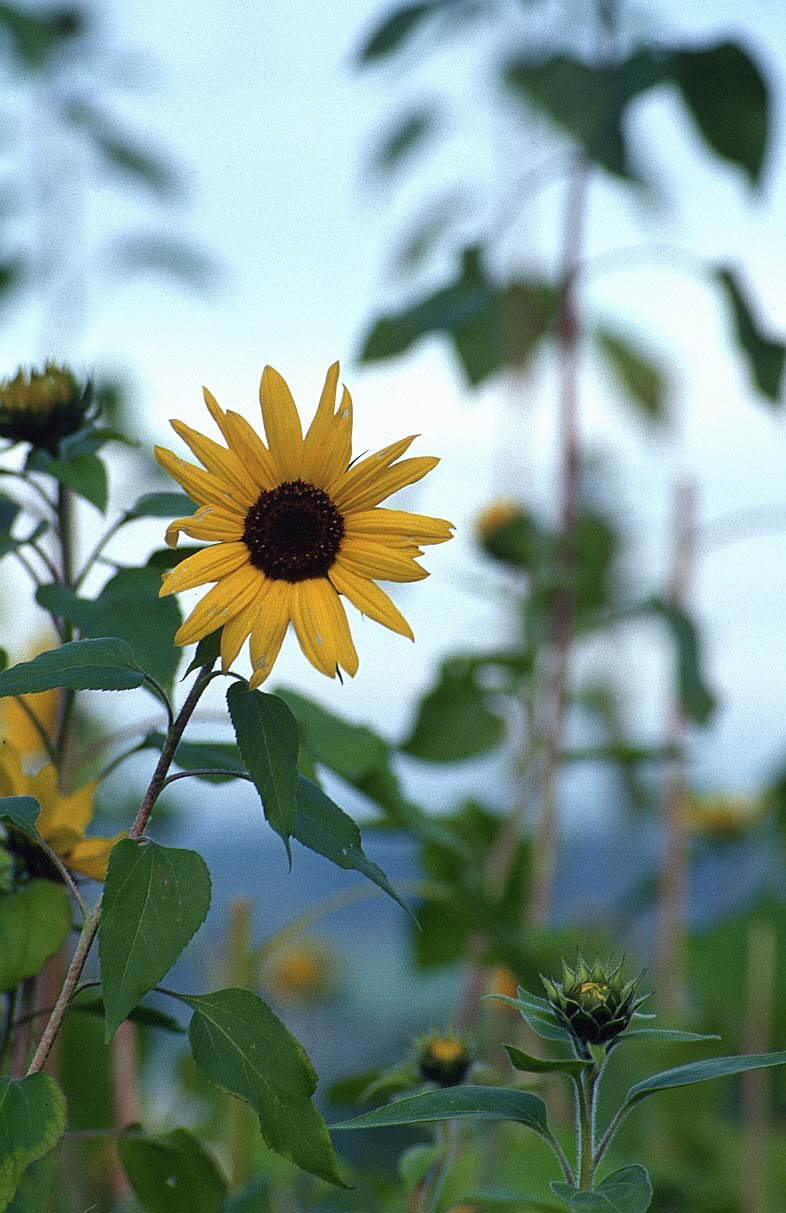
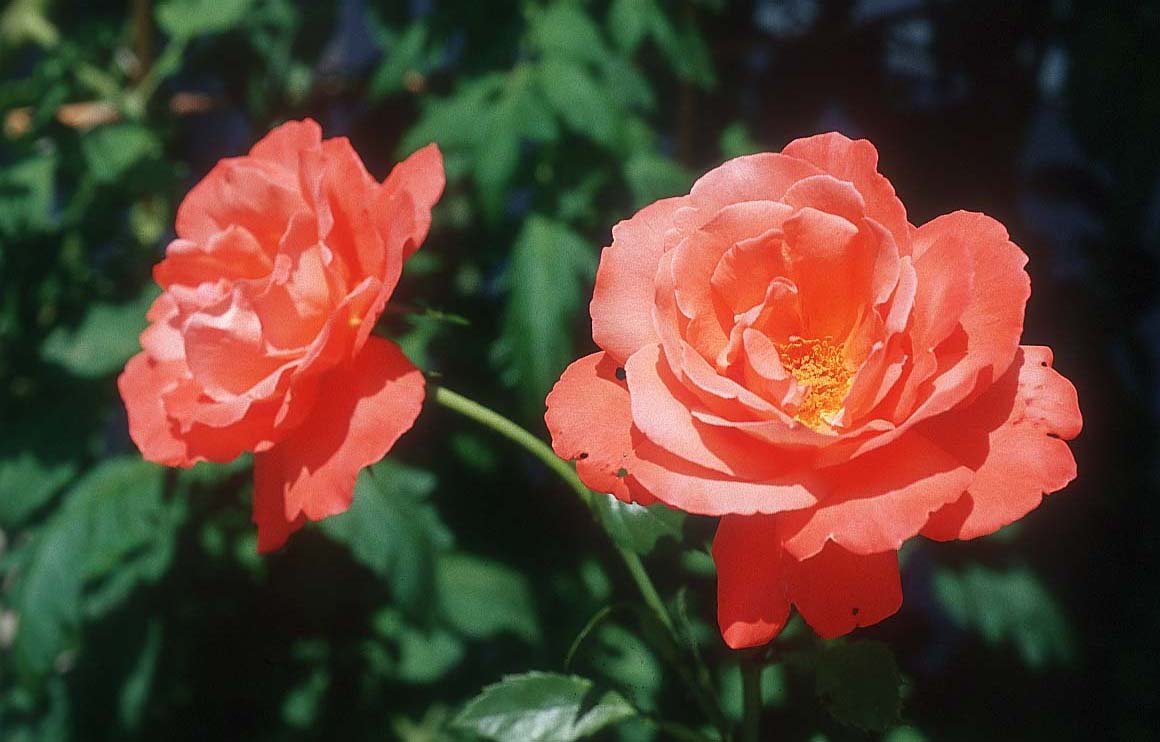
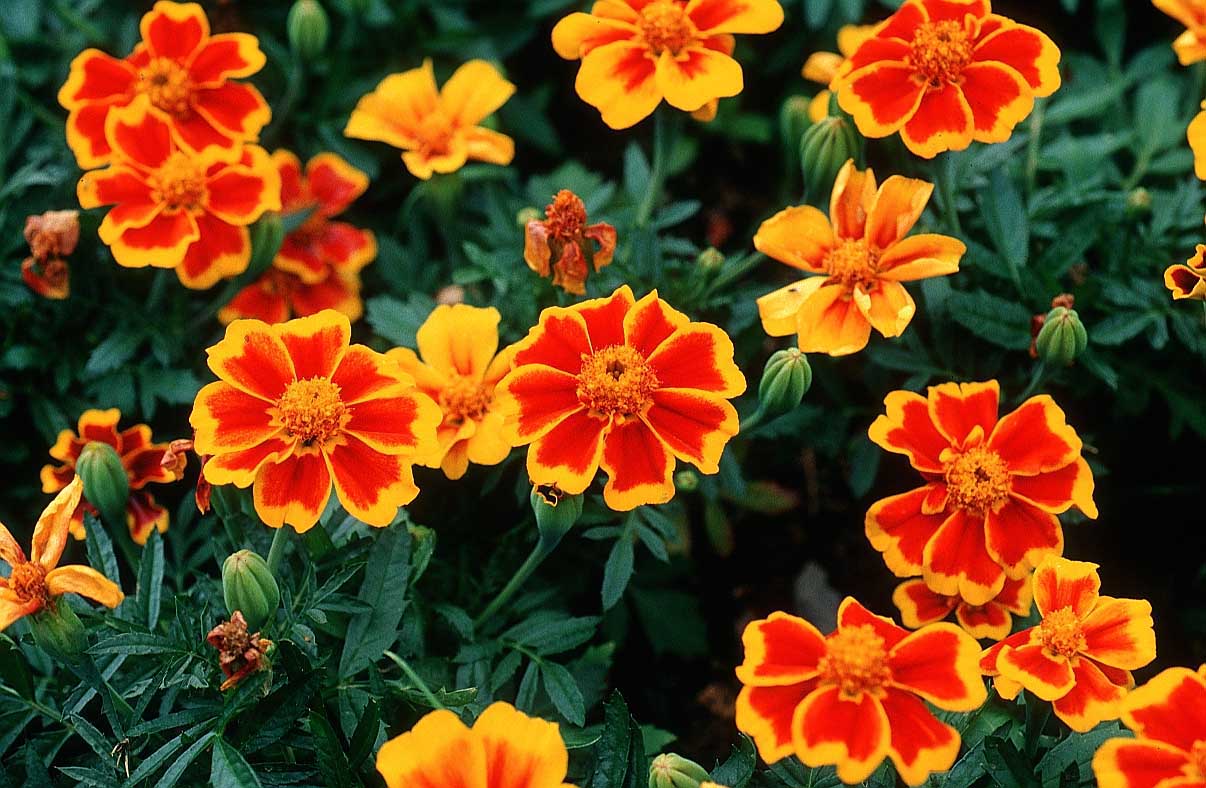
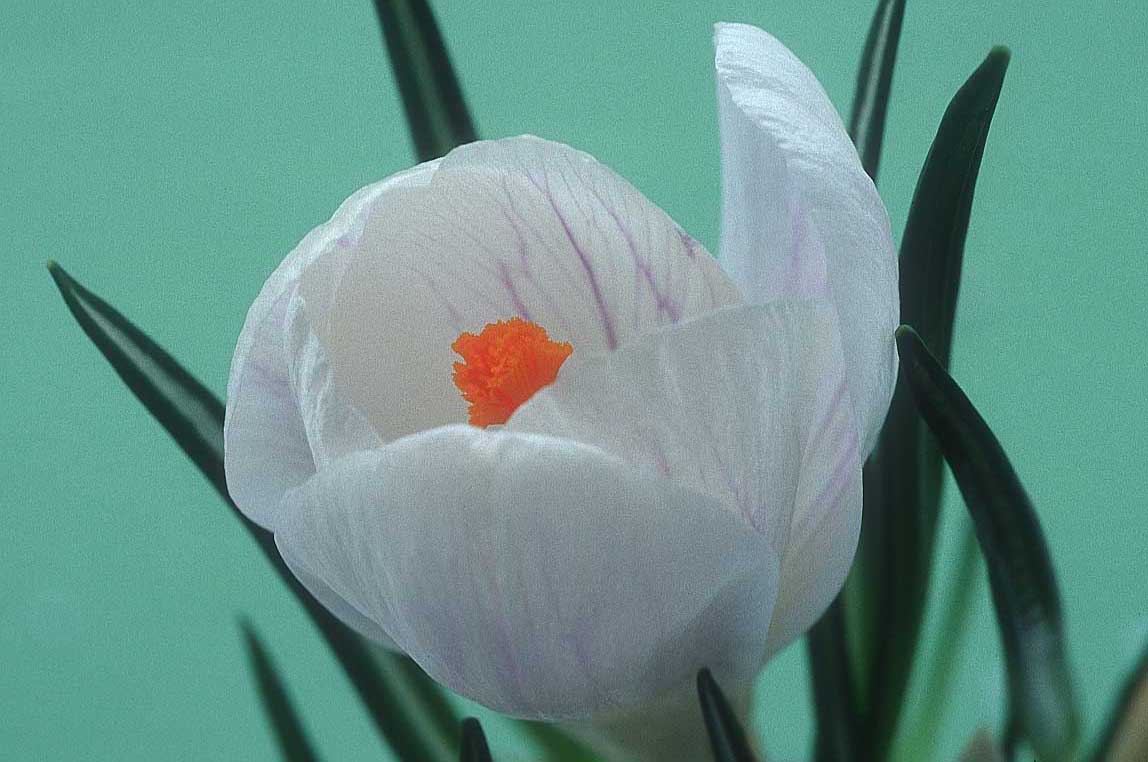
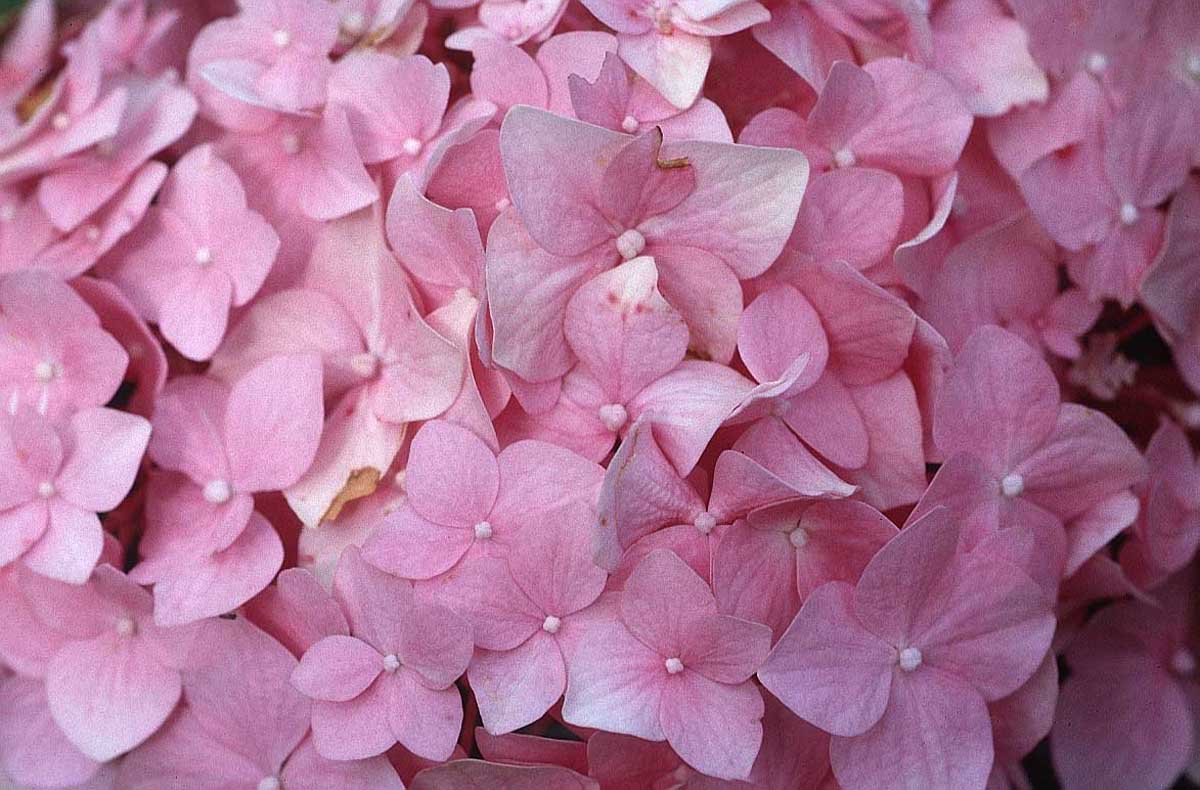
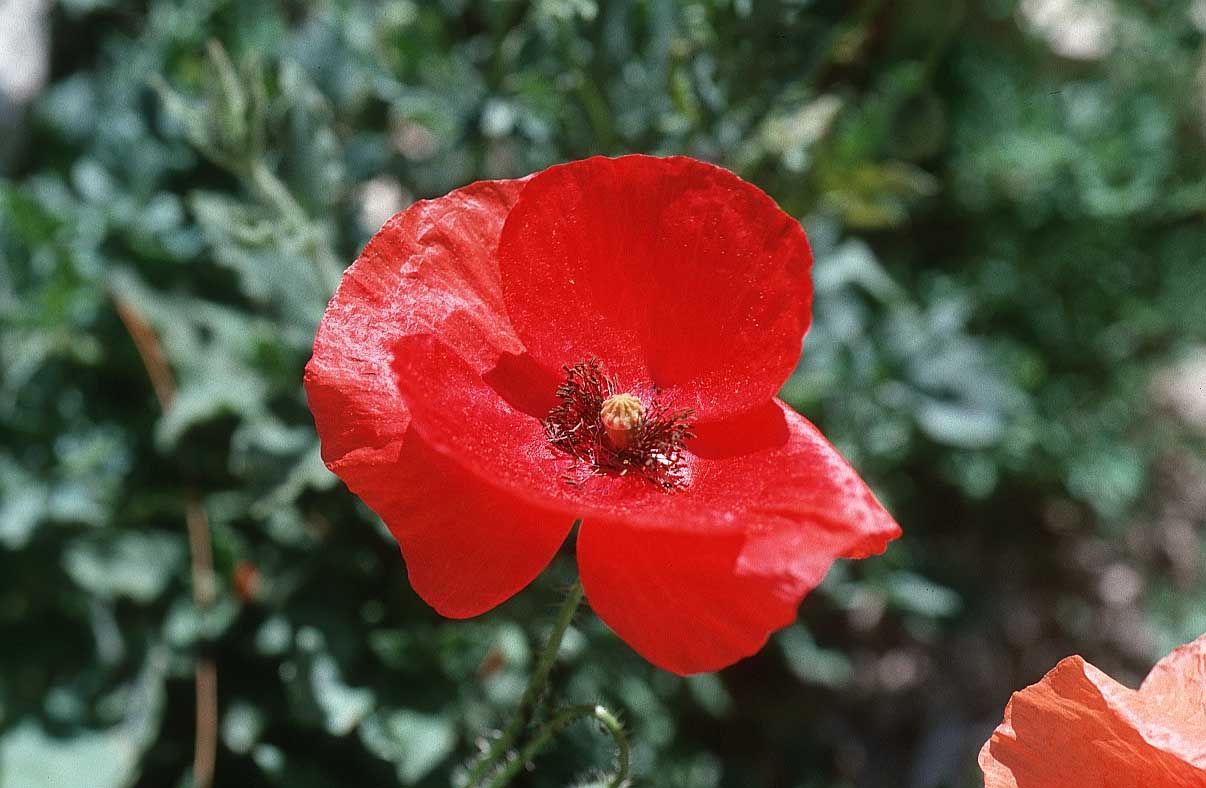
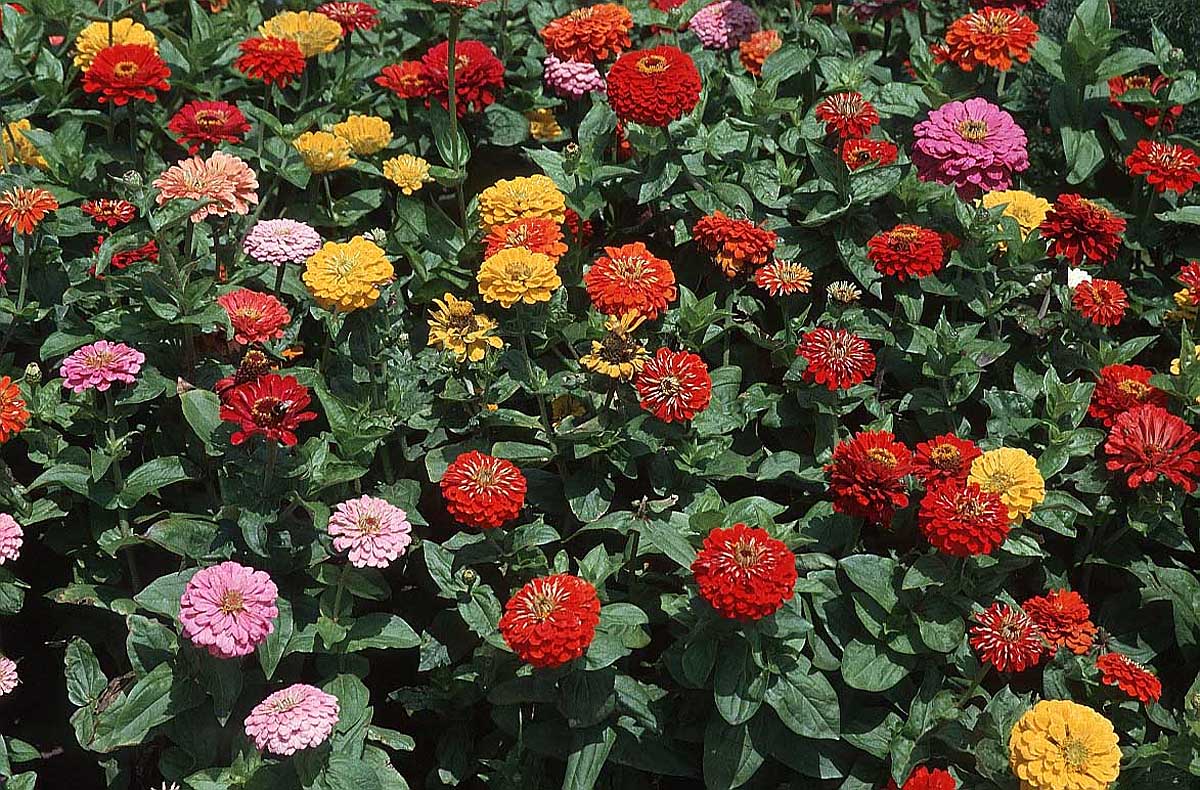
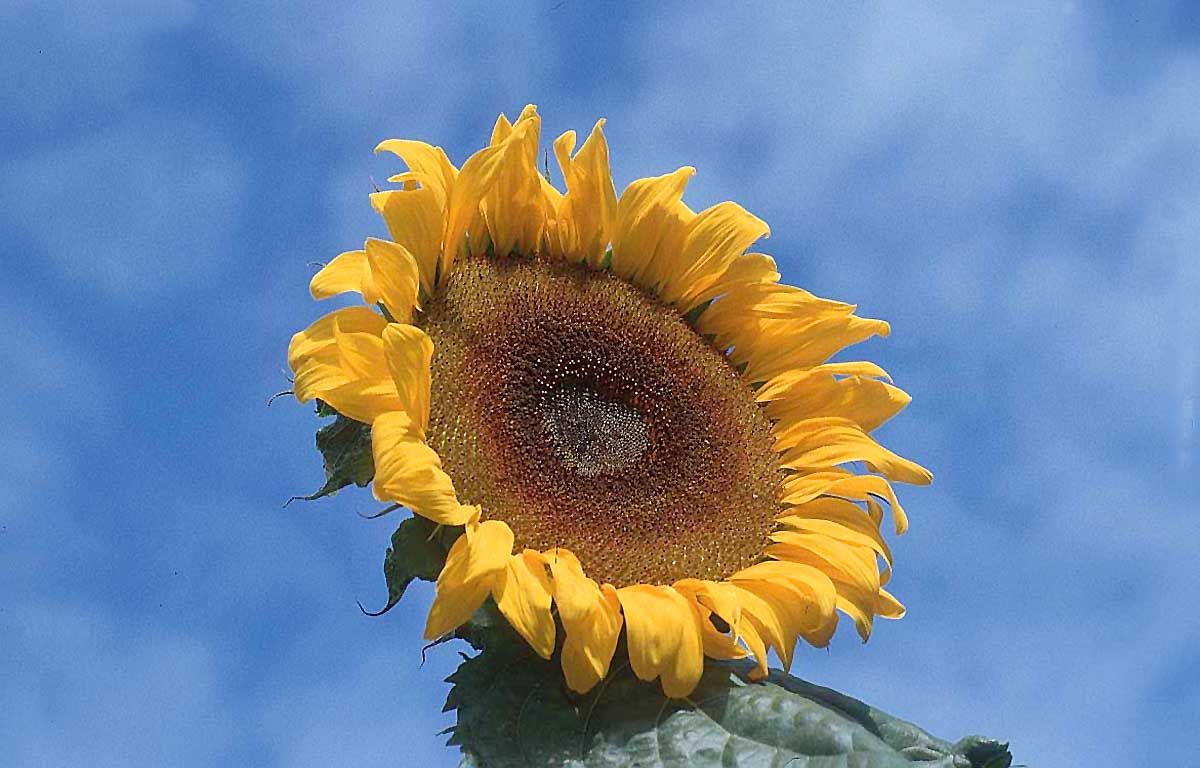
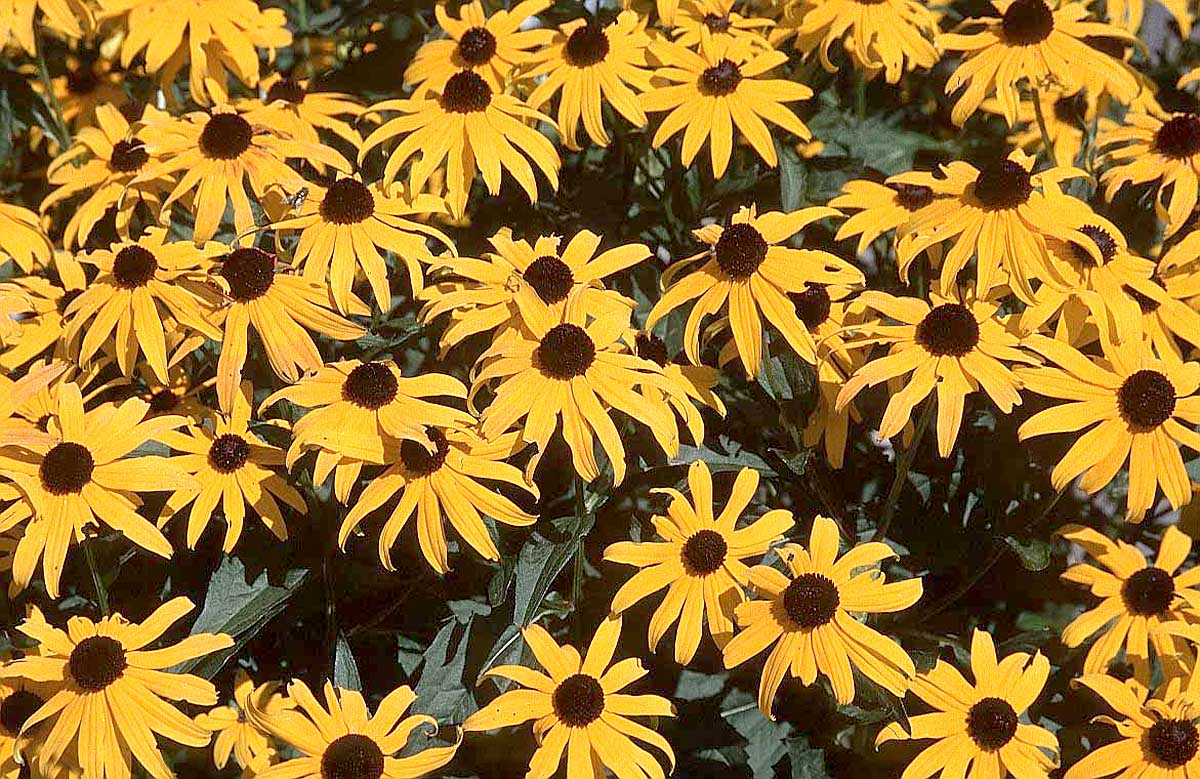
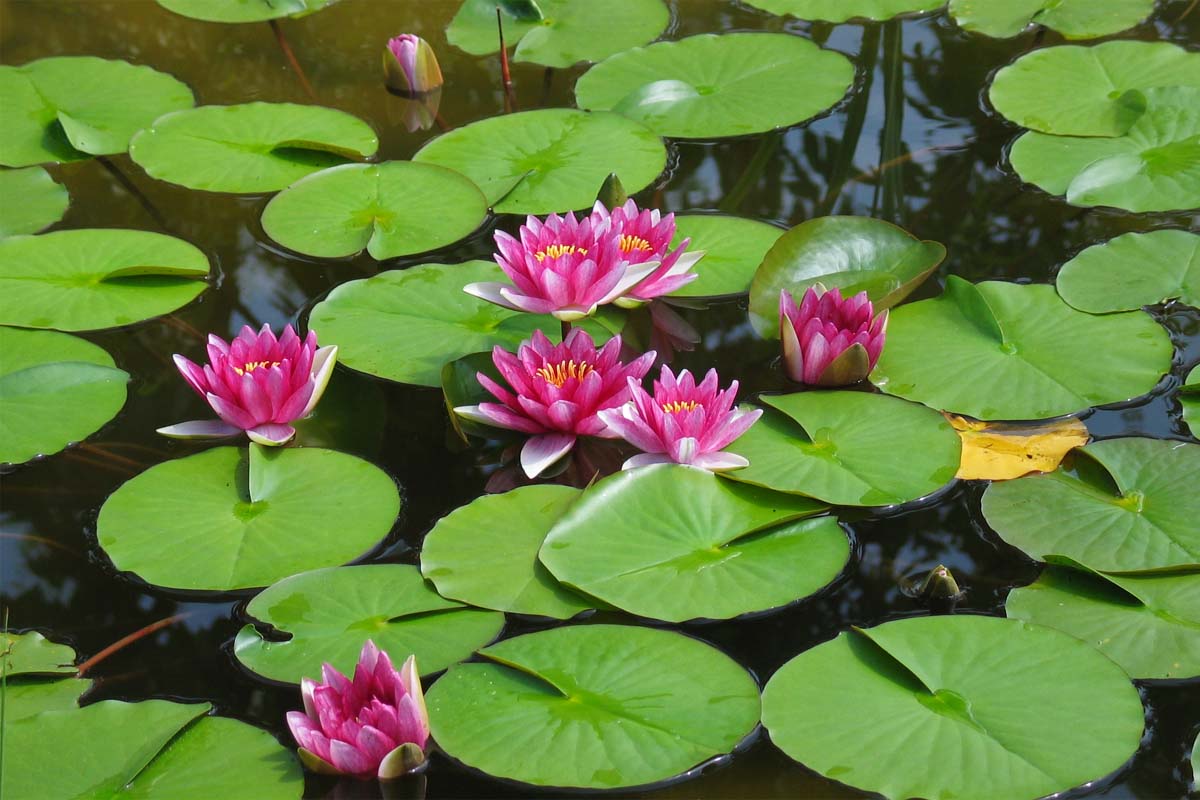
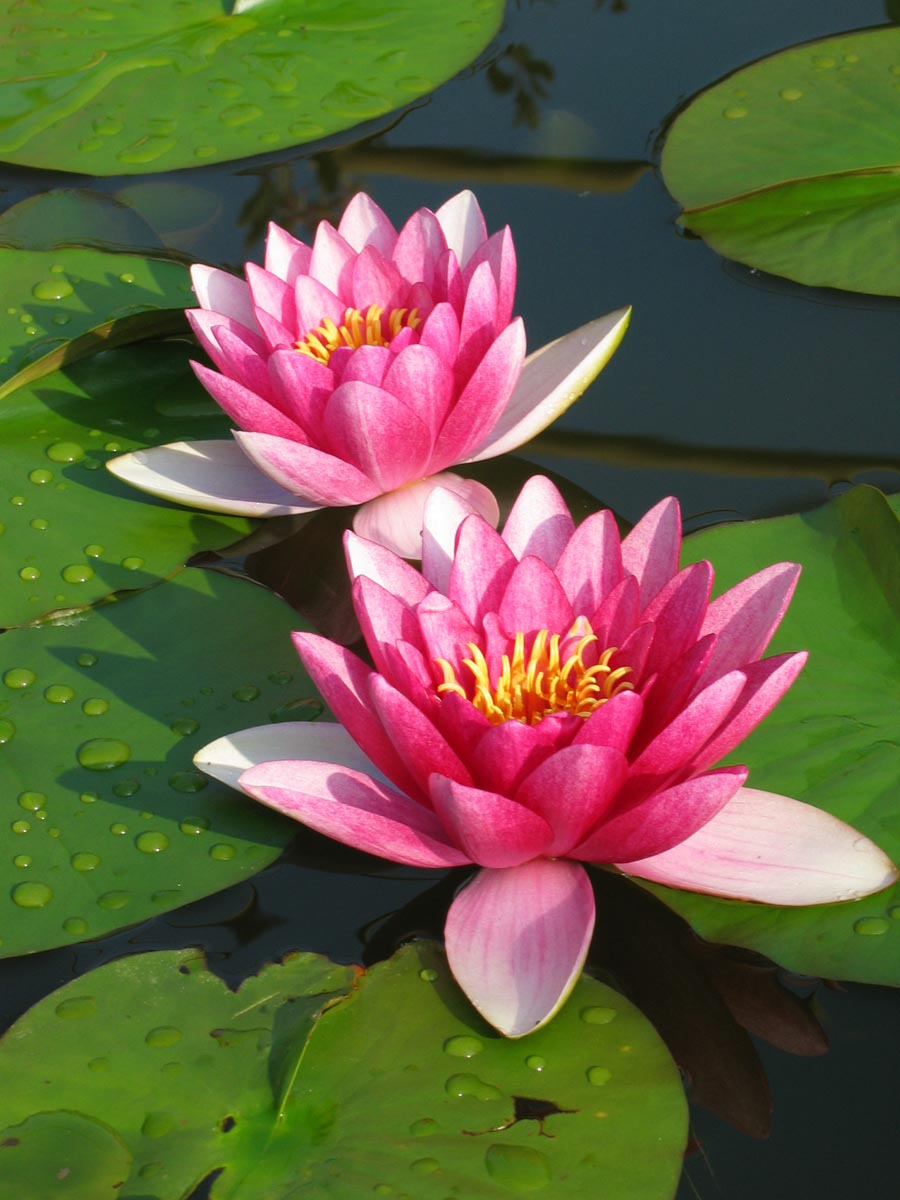
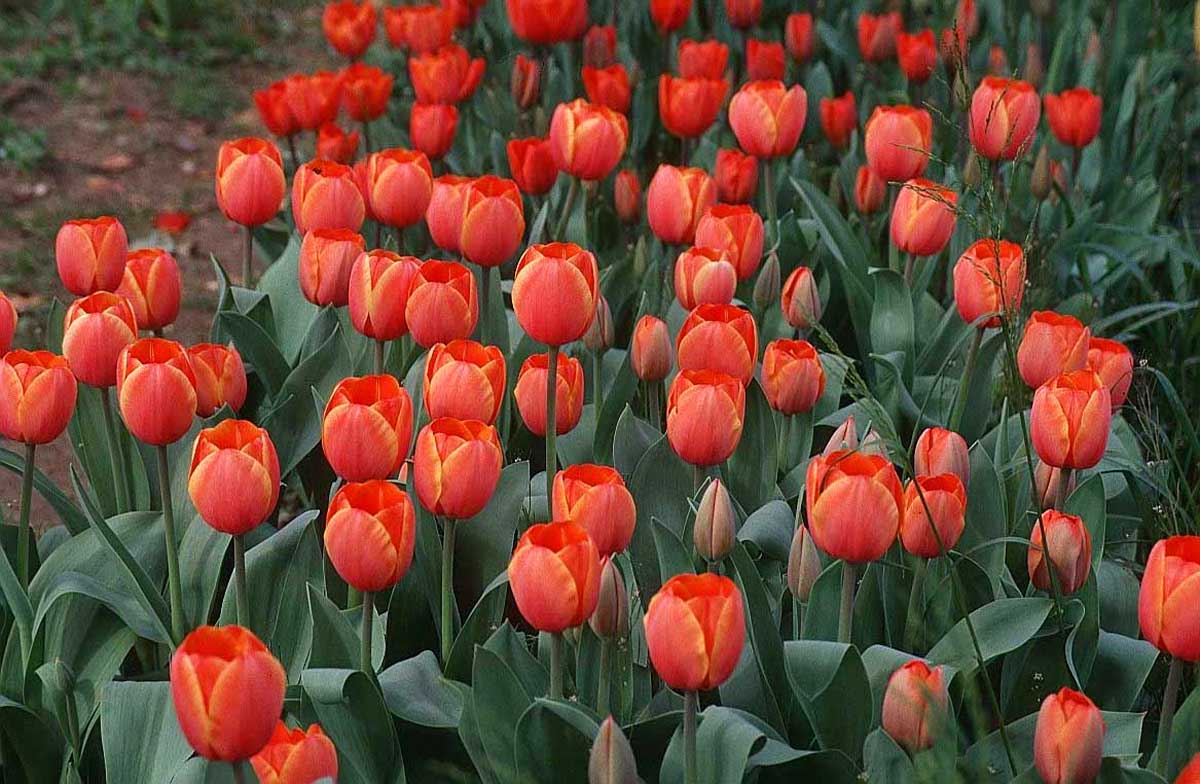
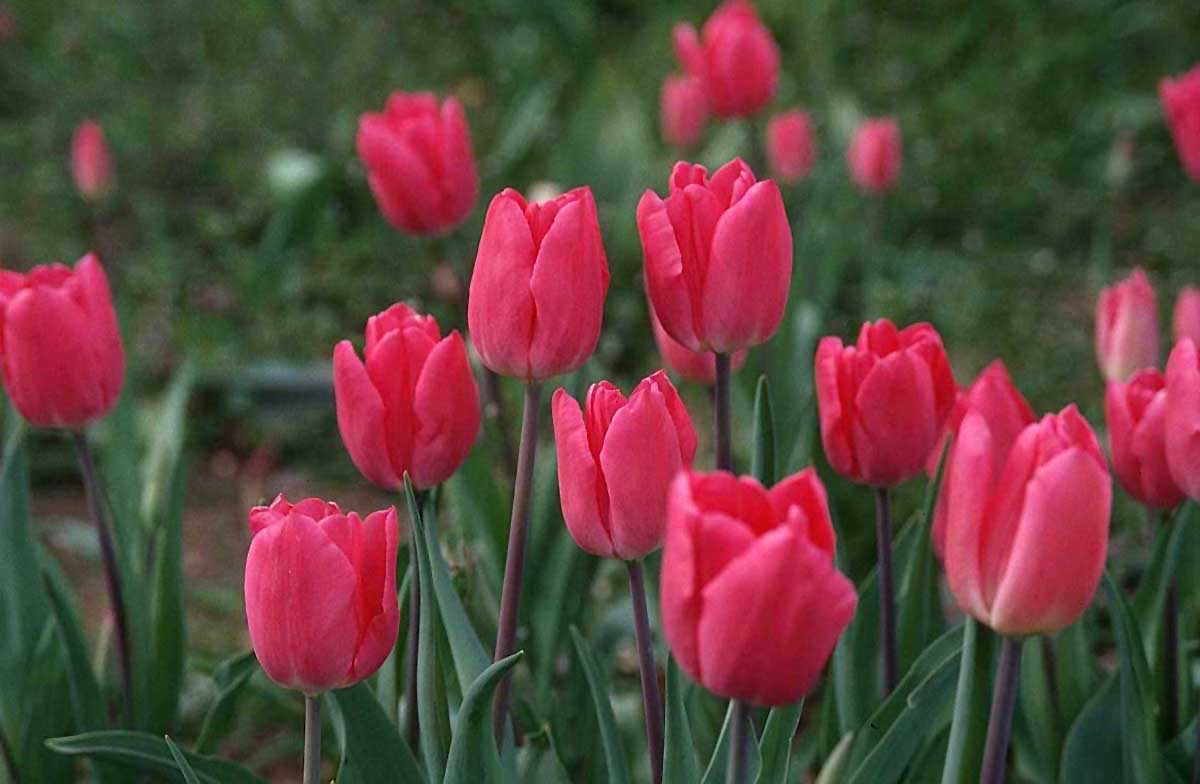
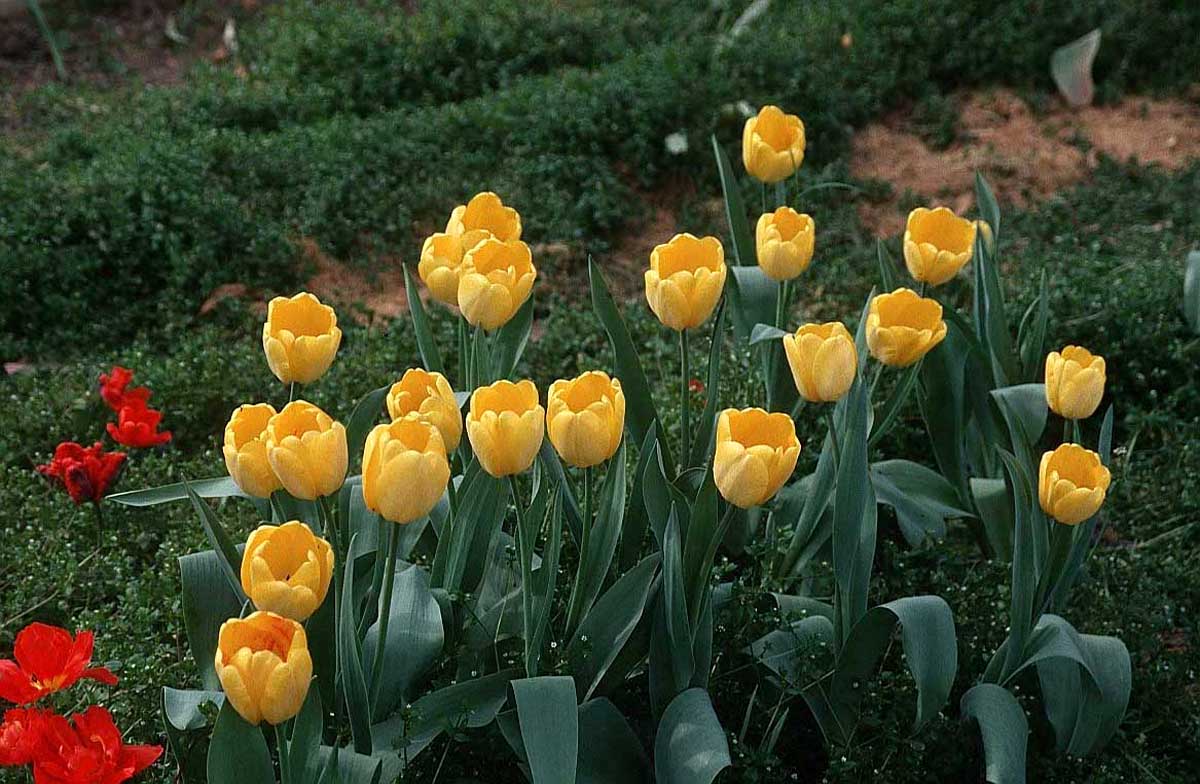
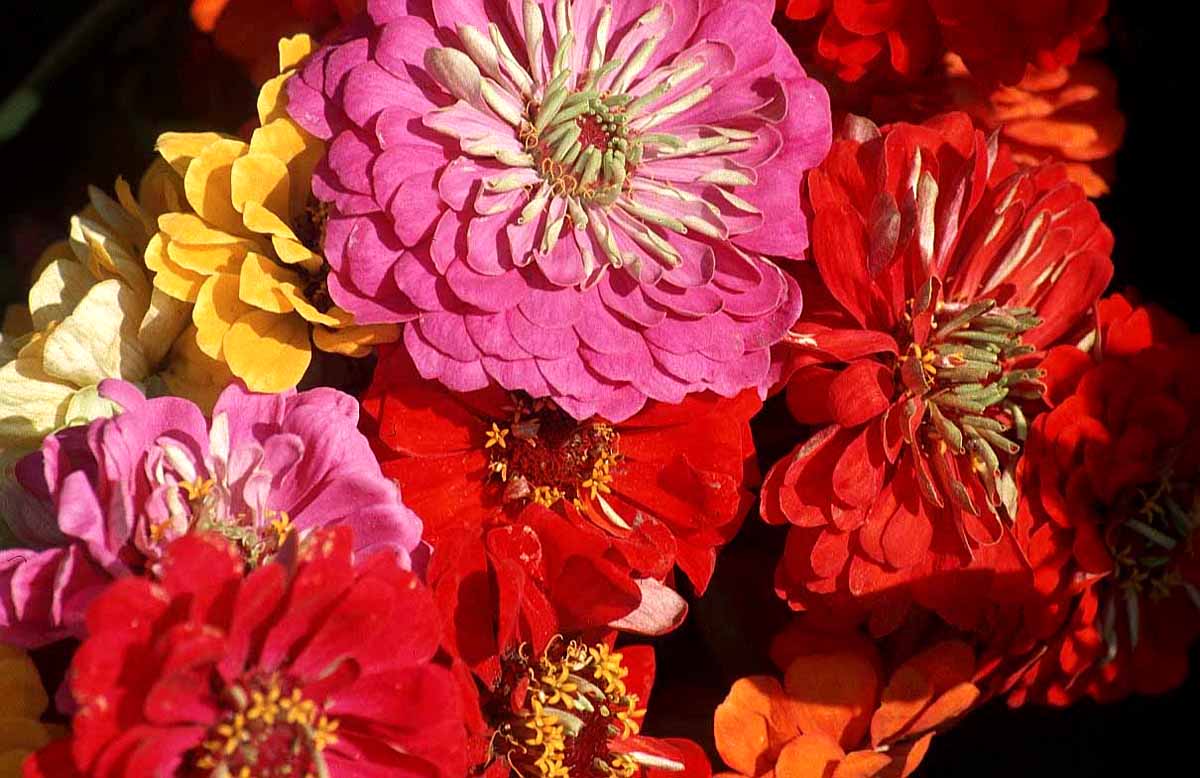
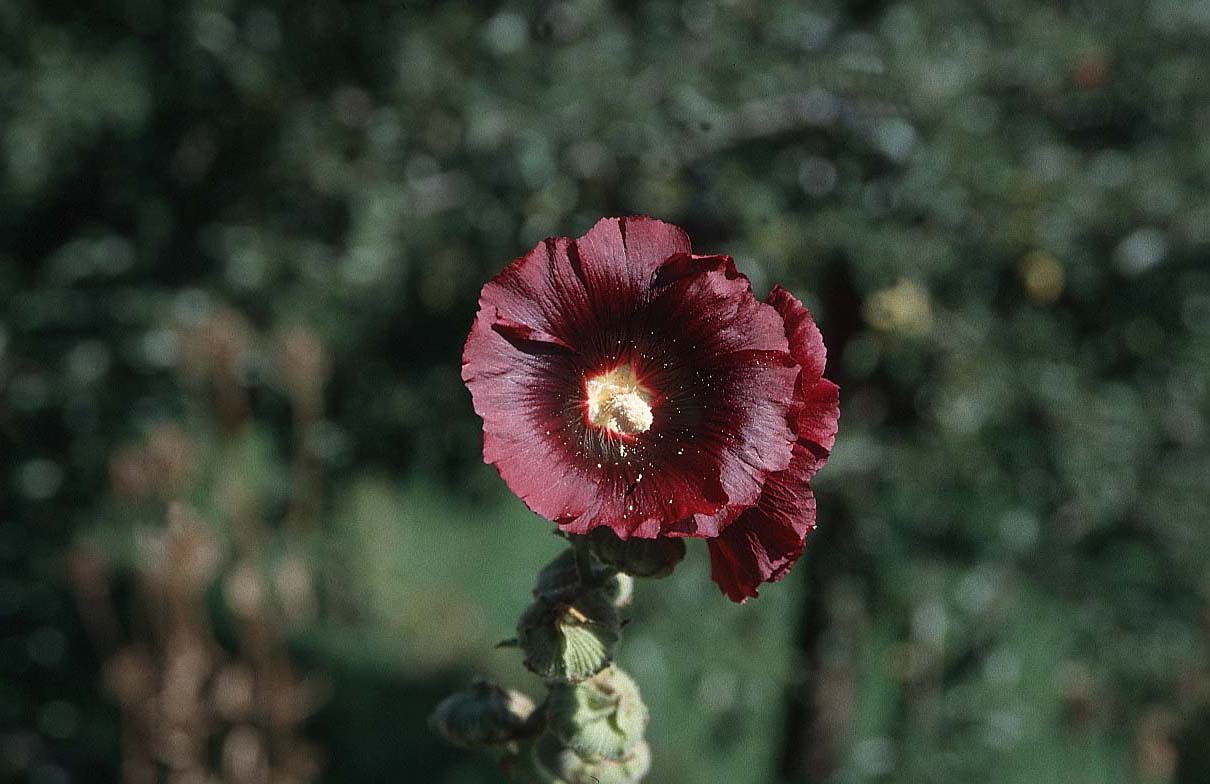
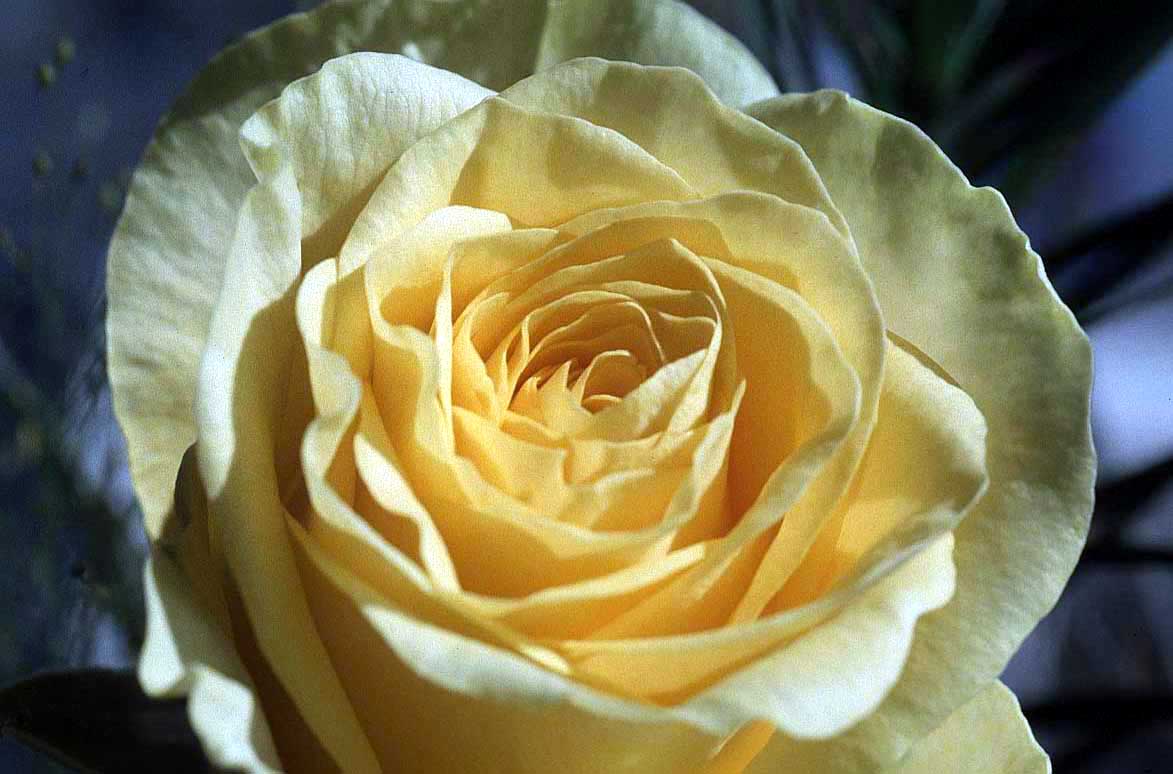
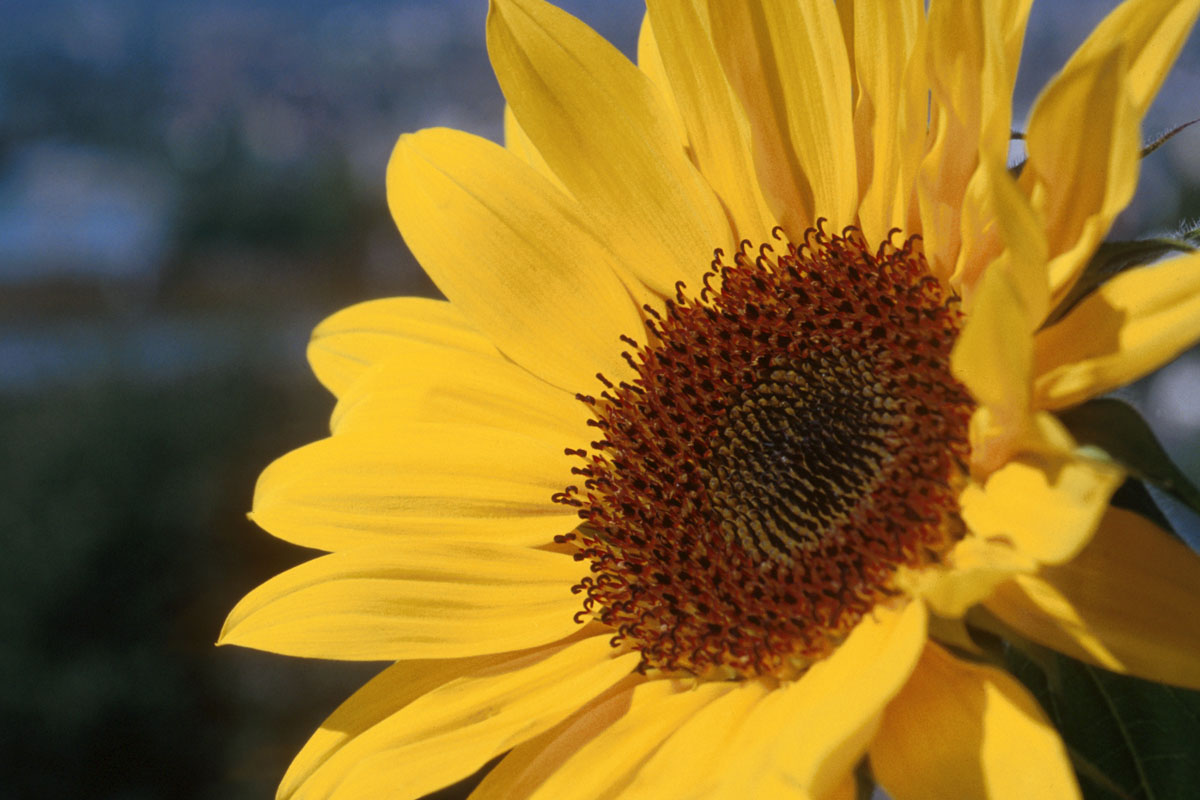
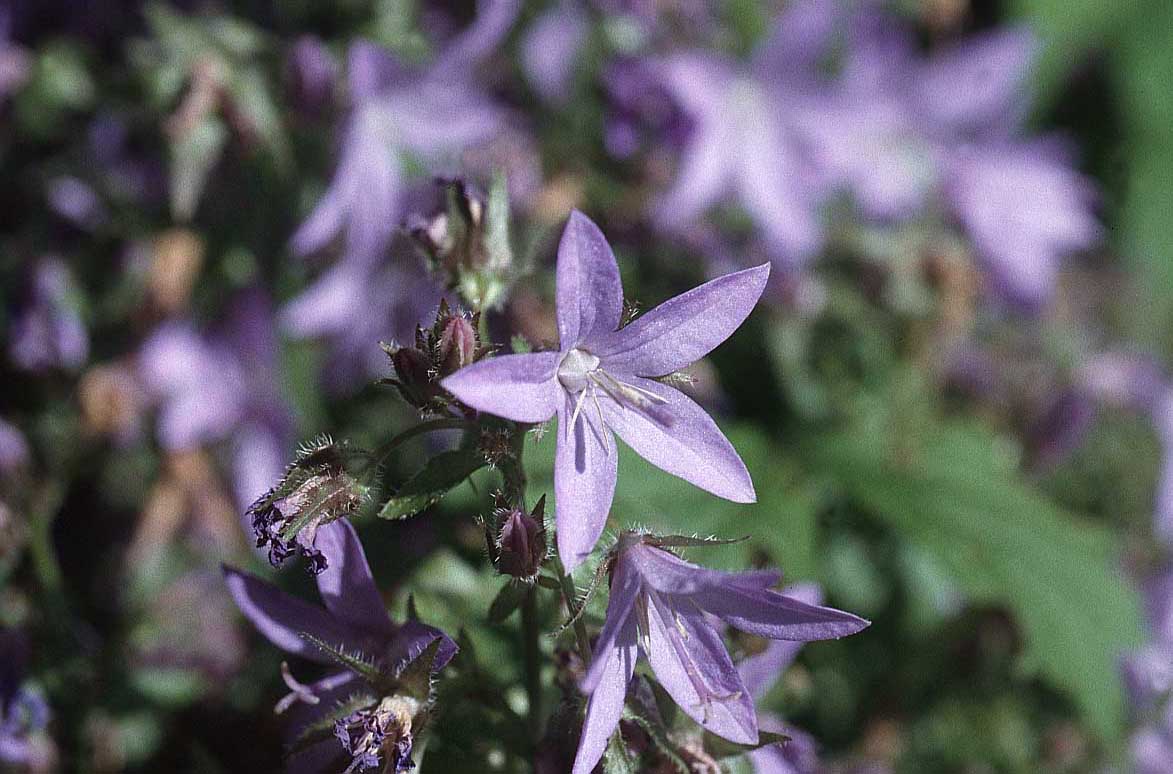
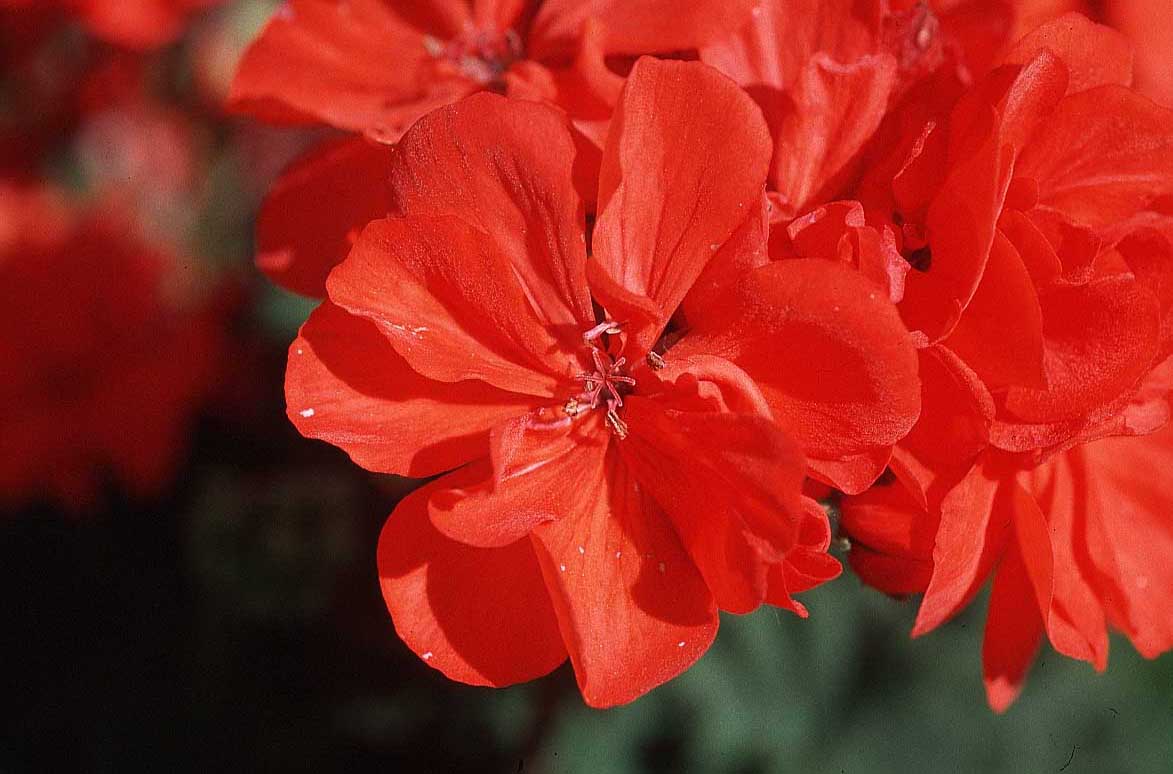
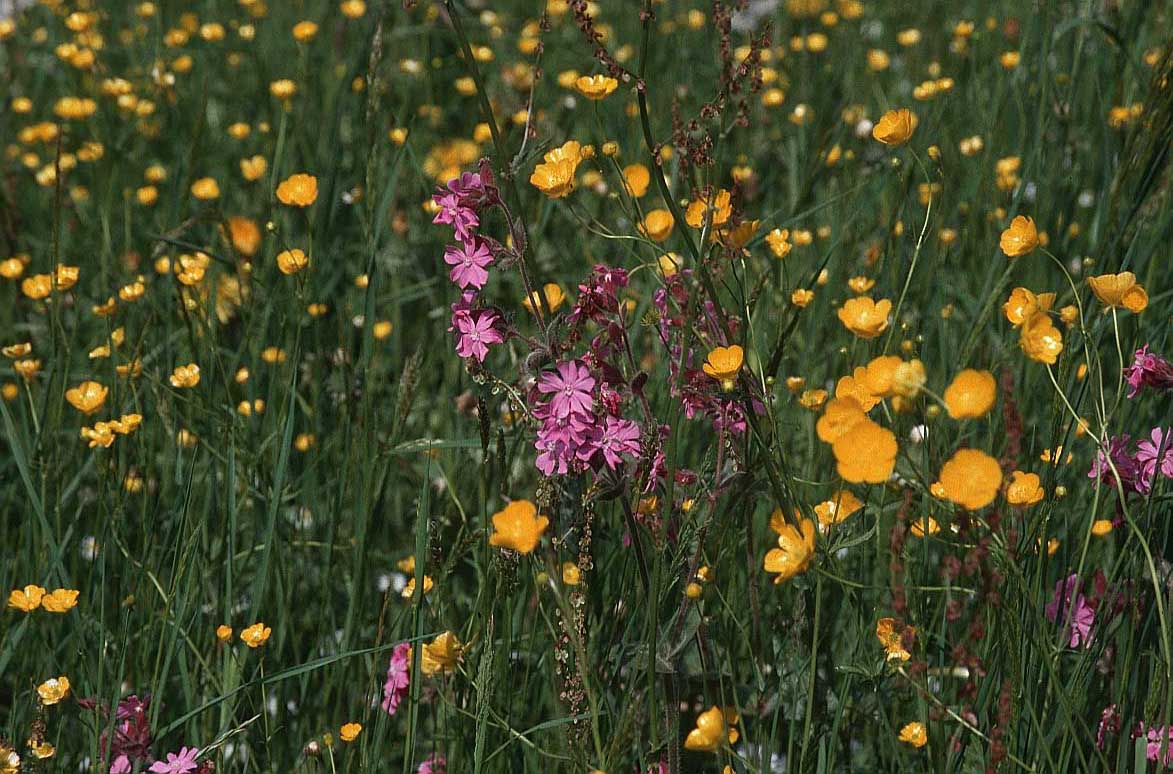
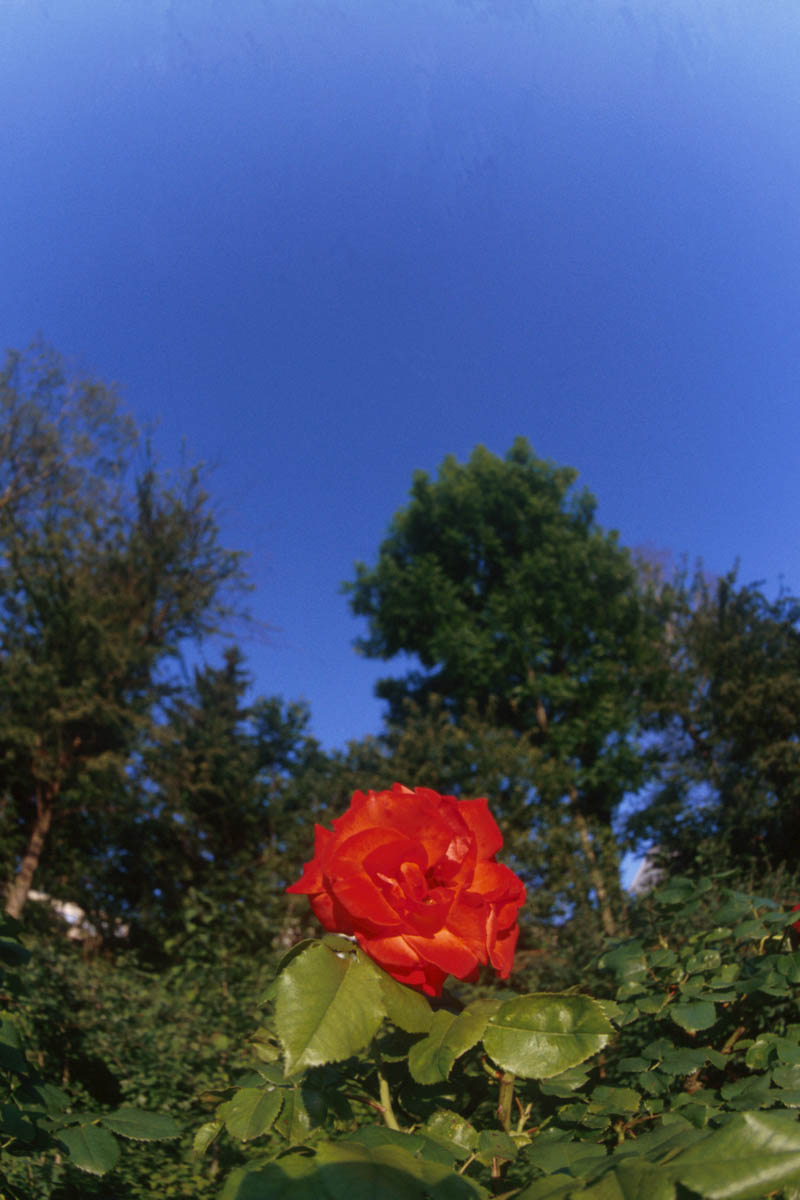
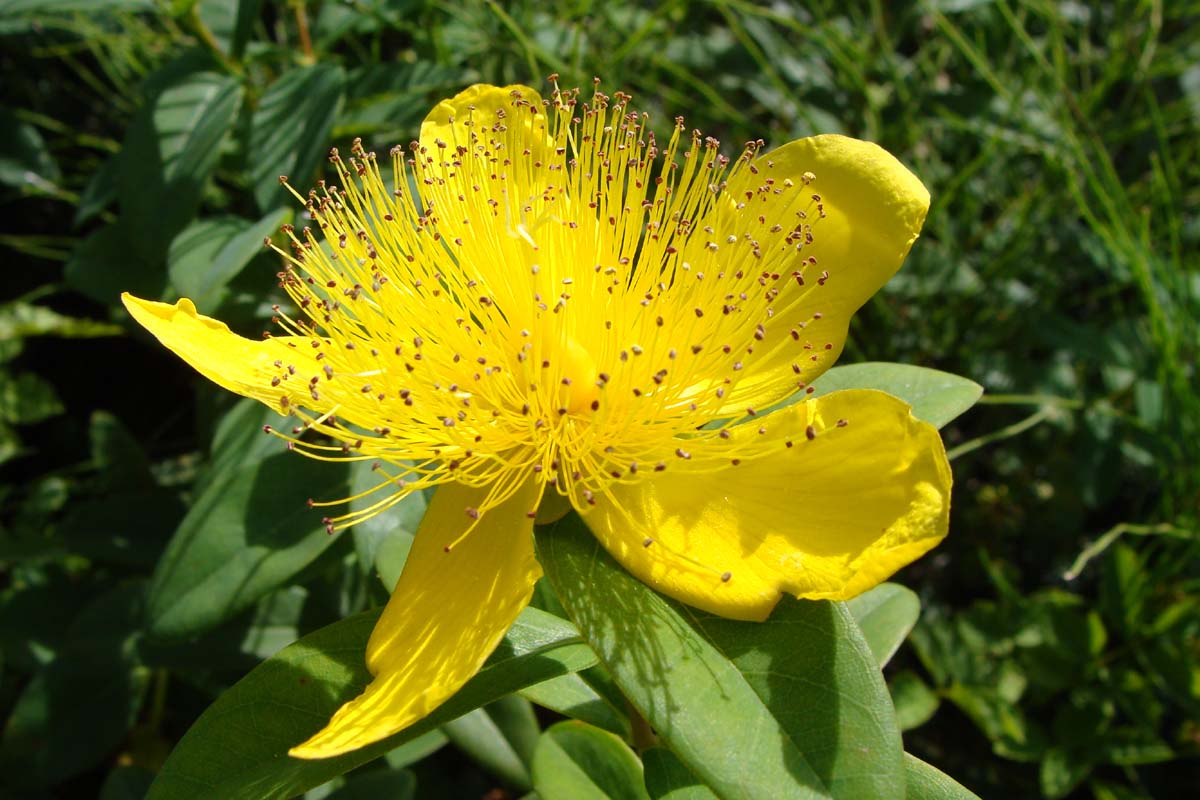
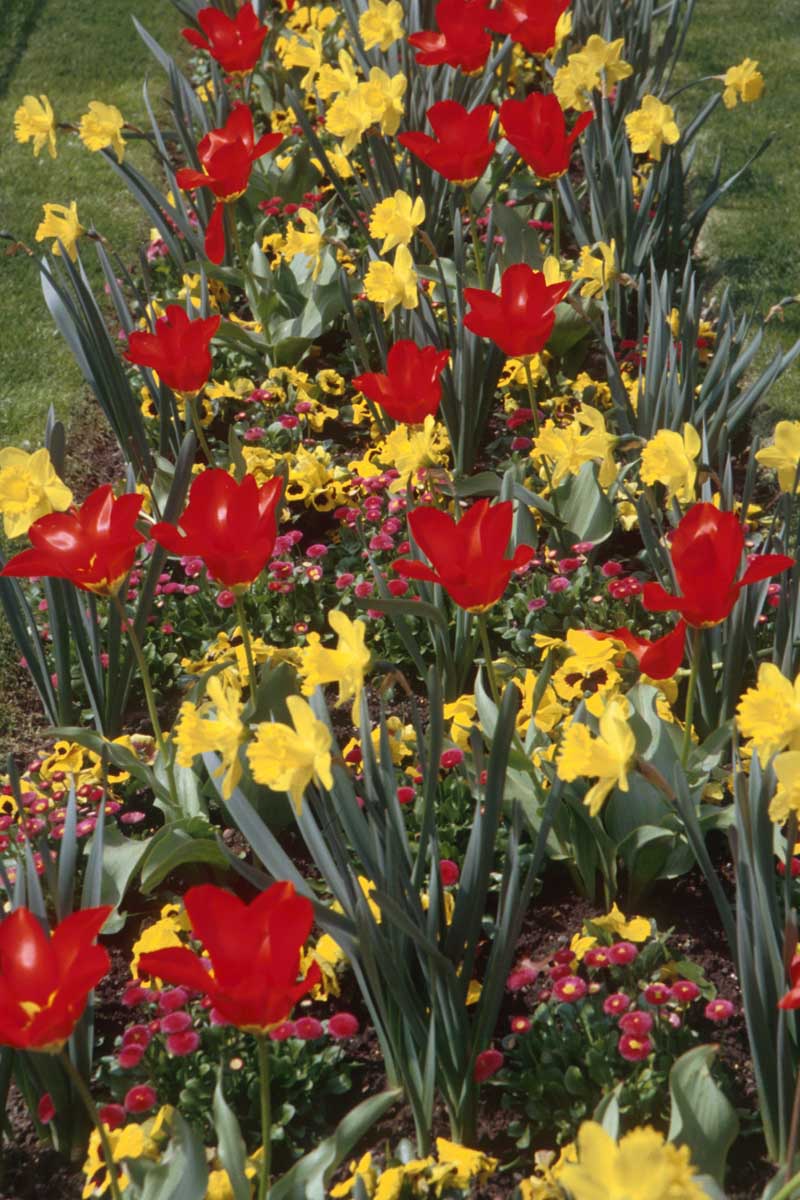
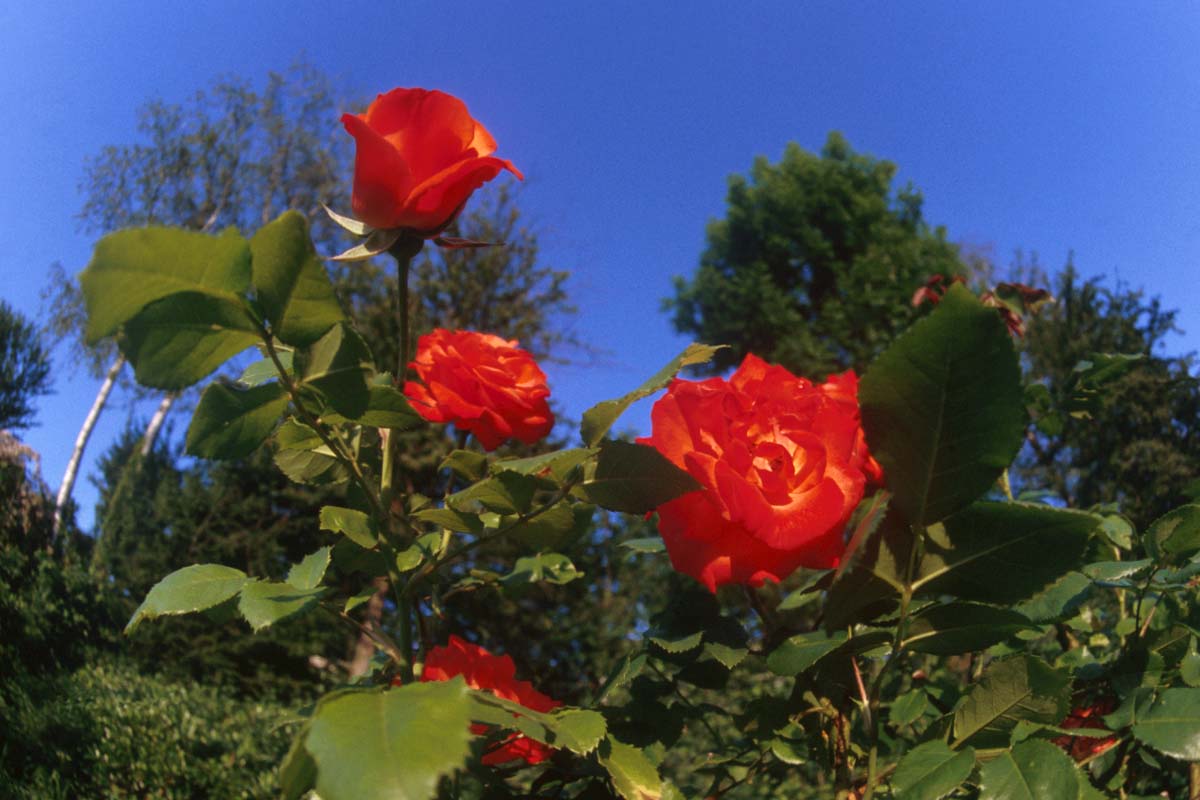
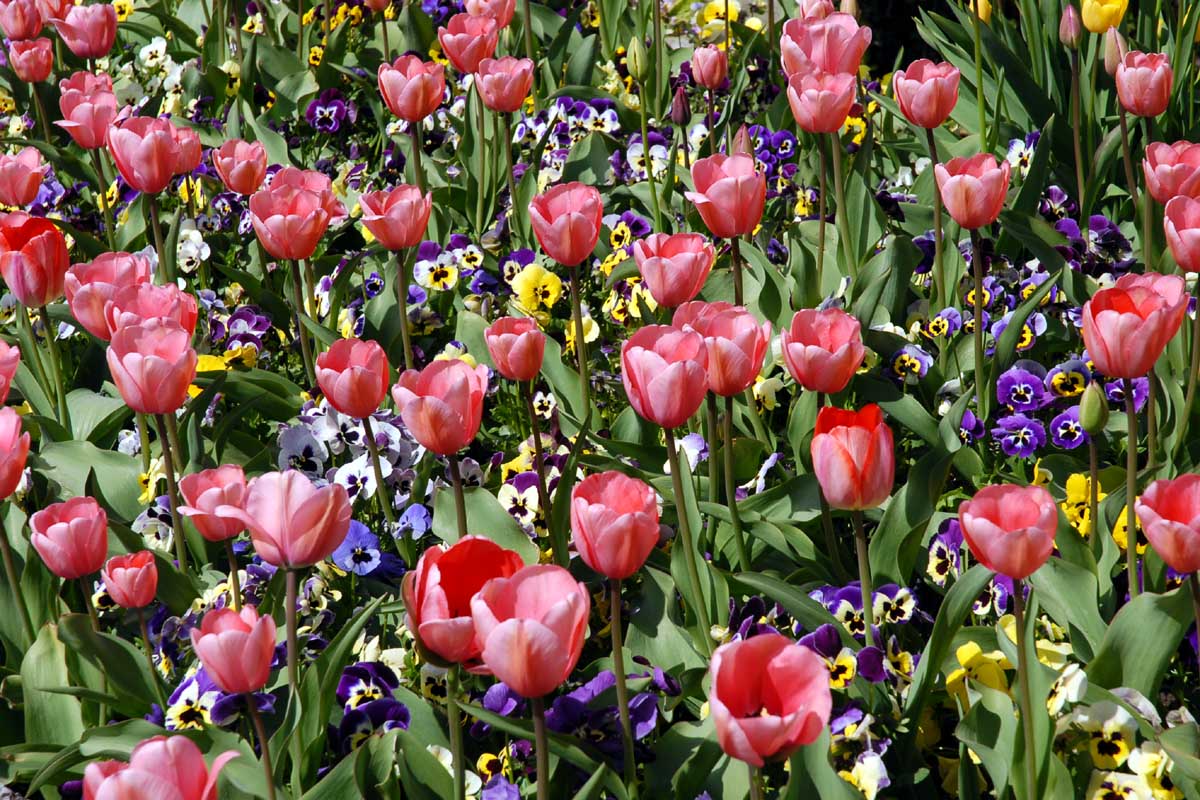
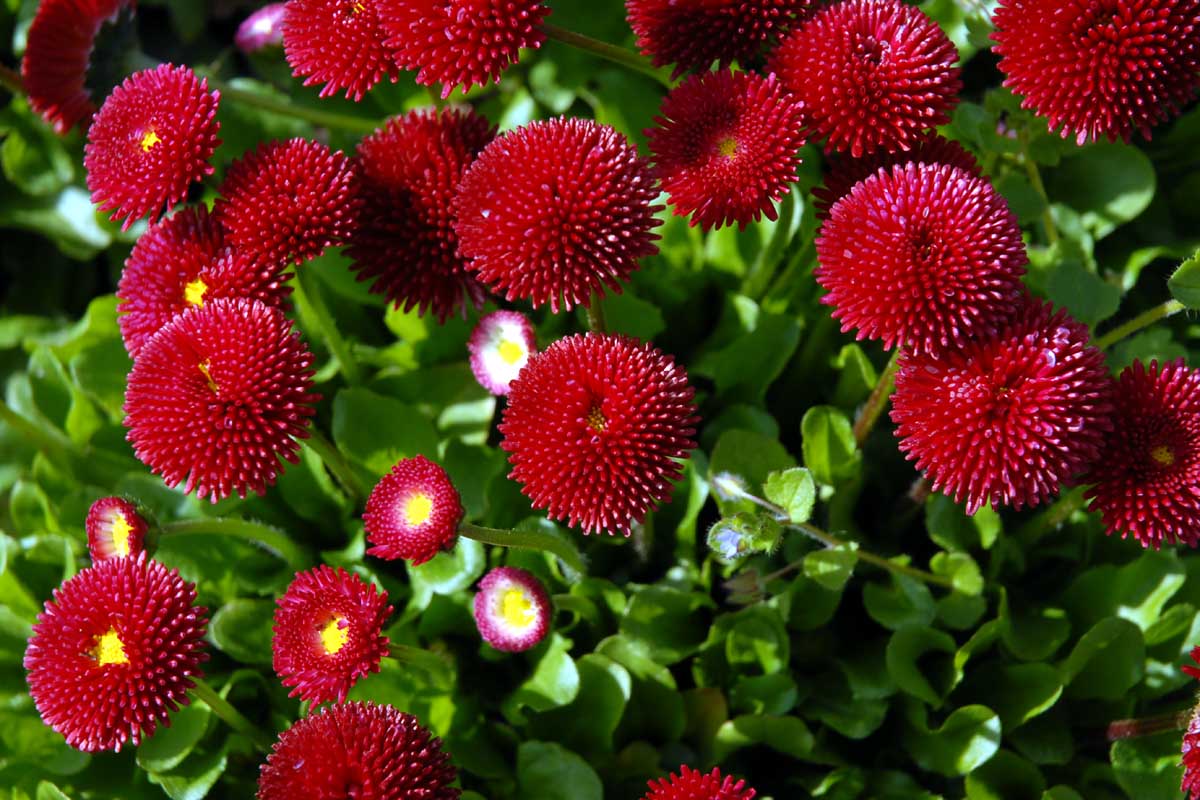
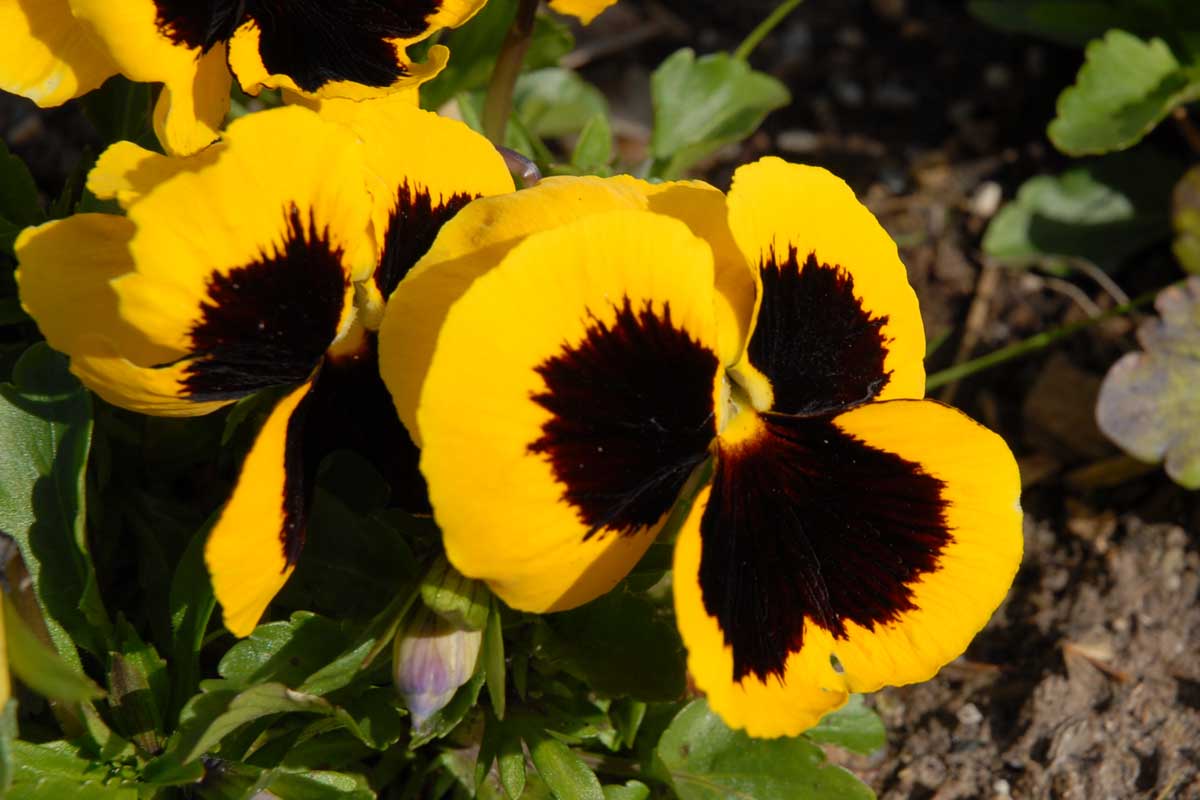
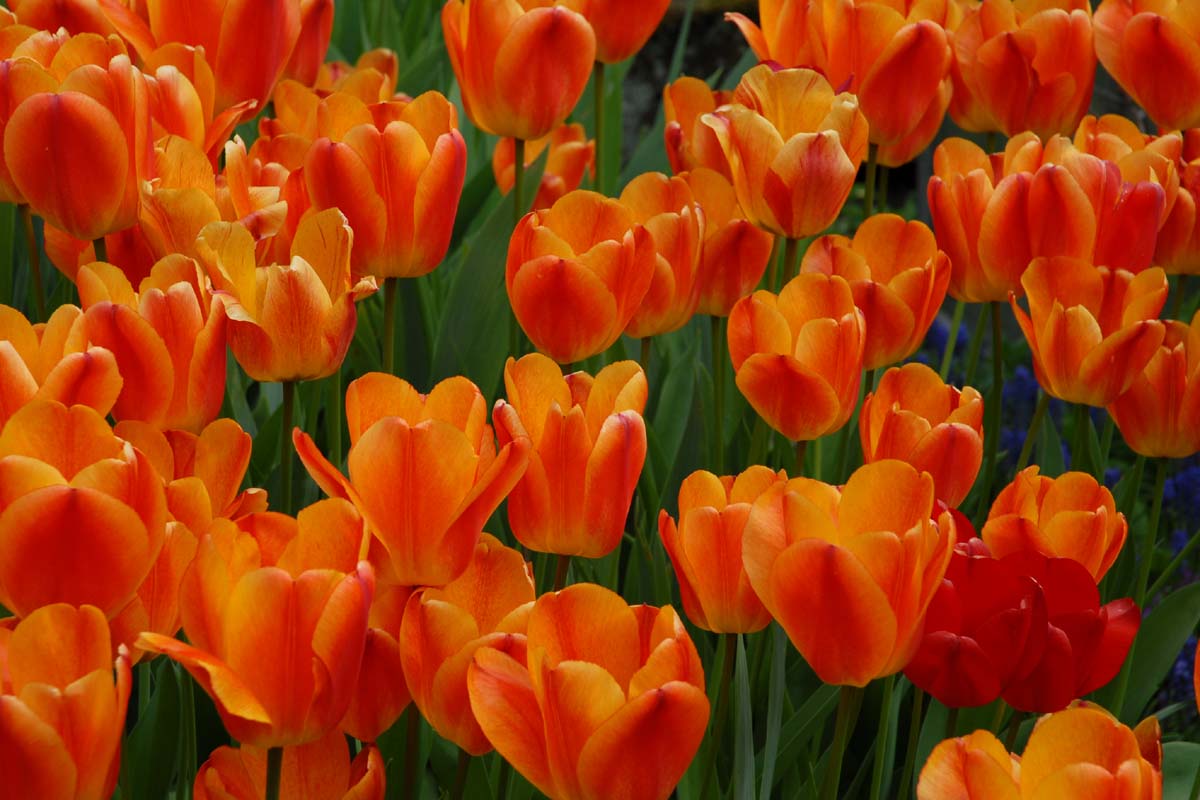
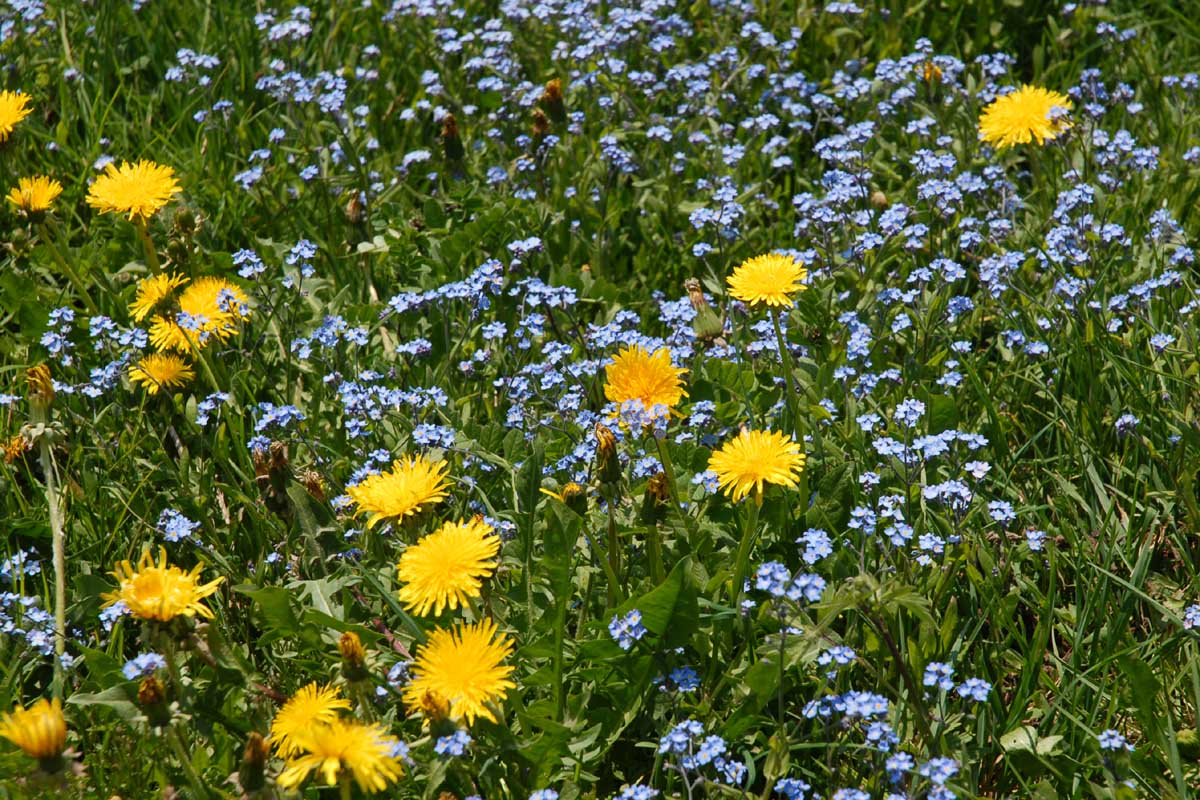
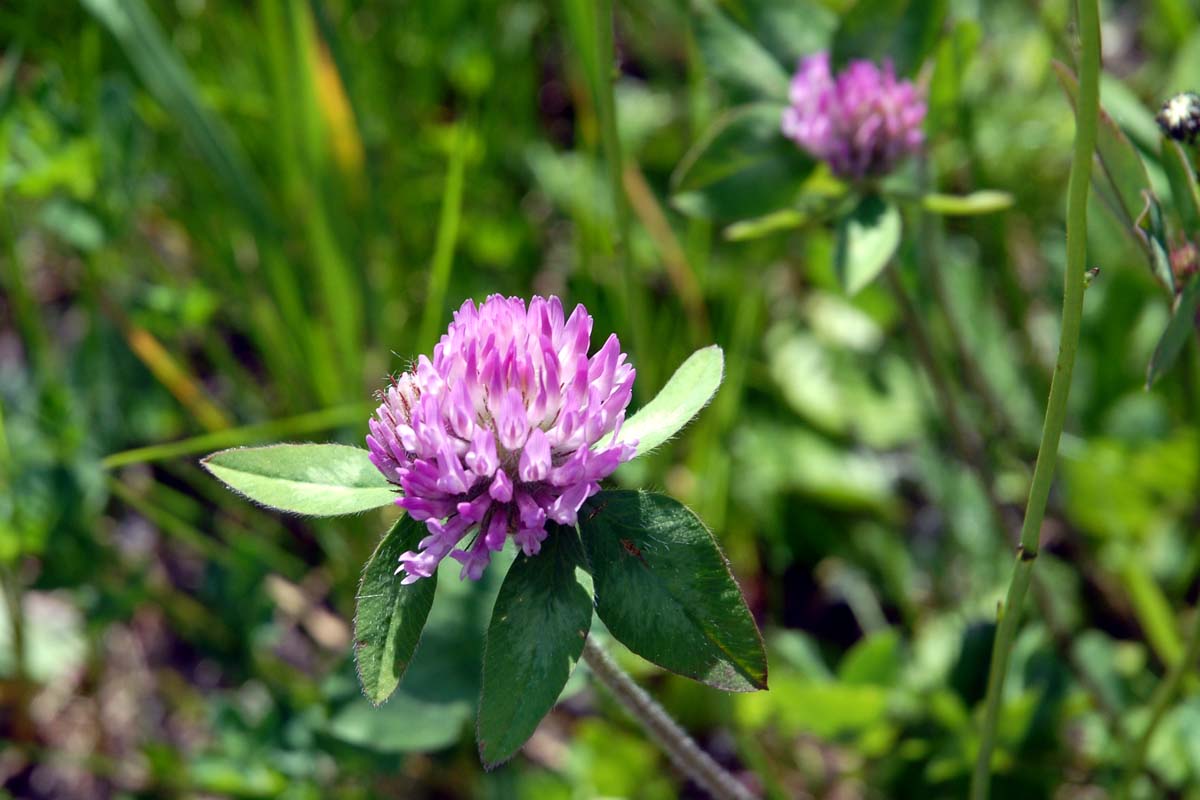
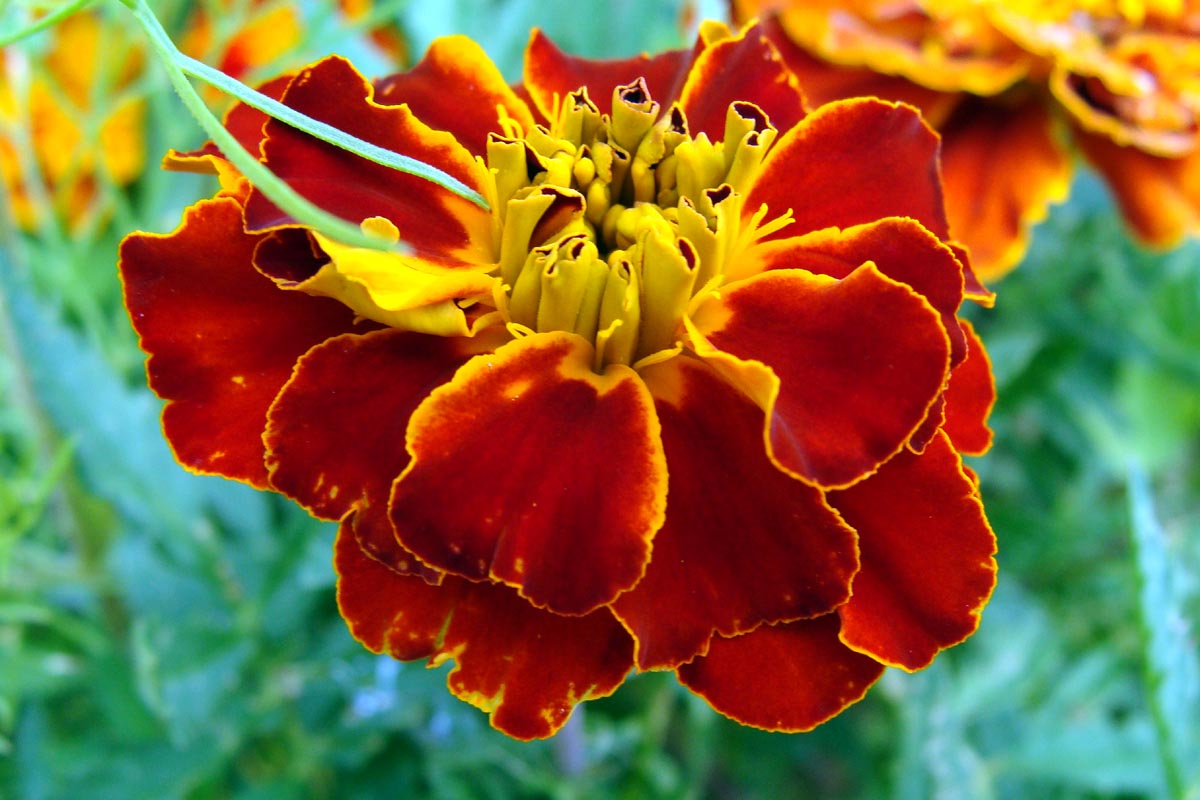
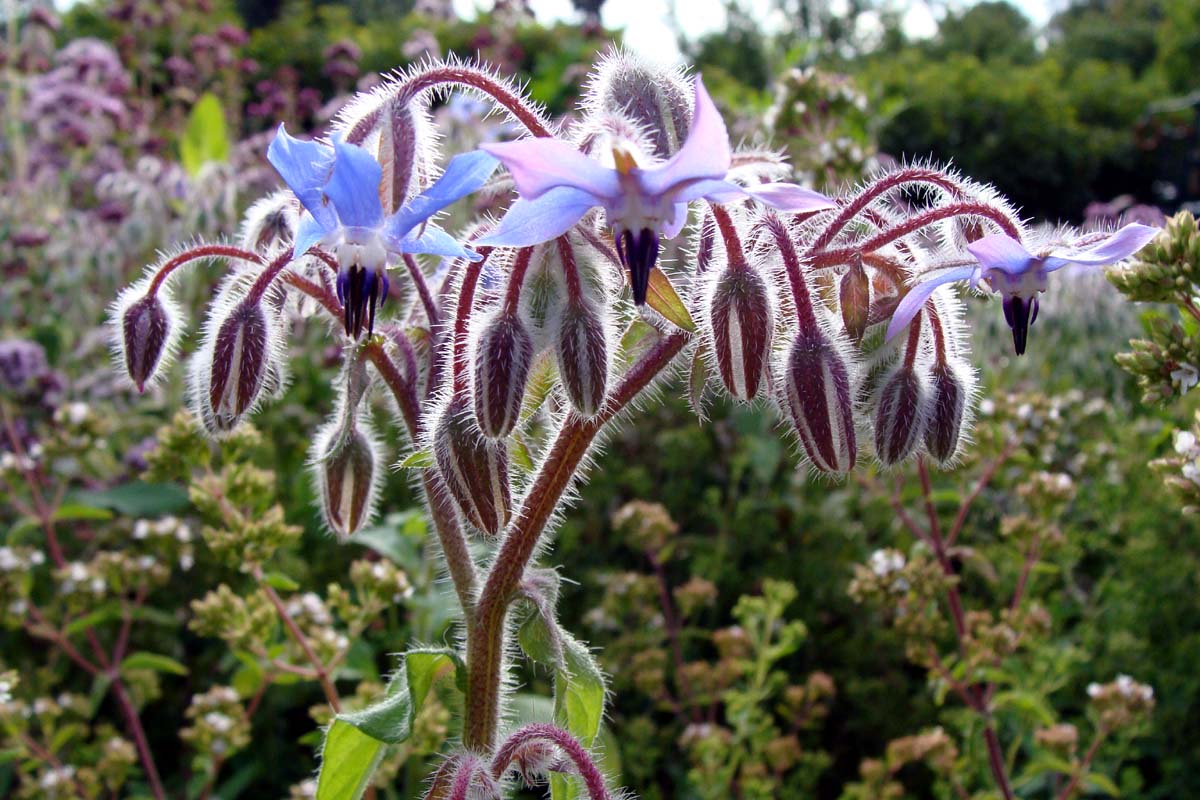
- Purchase local and/or organically grown flowers, if possible, instead of something that is shipped from far away or grown with pesticides. Or use flowers grown by friends or families in their gardens, which can be even more special than flowers purchased from a florist.
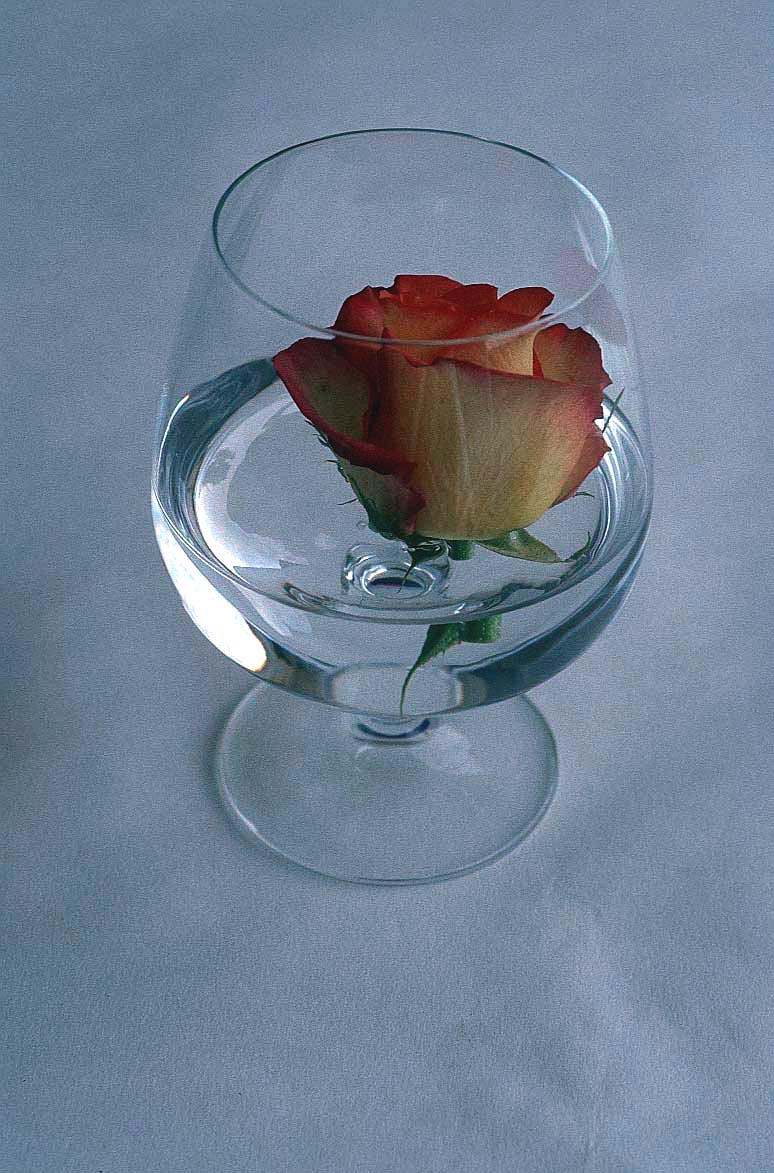
- Consider using vases that can be reused or given away to guests instead of thrown away. Things like pumpkins and the like that you could compost afterward is another idea.
Step 9: Gift Favours
- The possibilities here are endless (organic chocolates, treats or coffee).
- I made two (male and female) bathroom baskets to hold toiletries for the venue bathrooms. They are filled with environmentally friendly products, such as gum, mints, hair gel, hand lotion, etc.
- Consider giving out prizes to the guests who took the most environmentally sustainable form of transportation (e.g., walked, carpooled, rode the train, etc.).
Step 10: Decorations
- Reuse items that your friends may have had at their weddings. I asked around for simple tea light holders and succeeded.
- Candles – you can get pure beeswax candles, which are all natural and don’t contain suspicious ingredients or perfumes.
- If you’re considering nametags on tables, use recycled paper, and find a way to re-use them: for example, guests could leave you a special message on the tag at the end of the celebration and place it in a box or insert it into a photo album.

Step 11: Honeymoon
- Start by thinking about exploring a place close to home that you’ve always wanted to visit.
- If you fly, buy offsets for your flight. Find carbon offset vendors here.
- Stay at an eco-friendly lodge or accommodation.
- Don’t rent a car, or consider renting a hybrid.
Taking steps like these is easier than it sounds and fairly inexpensive. In fact, you will even save money. And having a green wedding is a fun way to put your beliefs into action, and get your family and friends interested in taking steps in their own lives to reduce their impact on the planet.